Bunny Embroidery Design Review for Small Business Merch
First Impression: Playful, Friendly, and Seasonally Smart
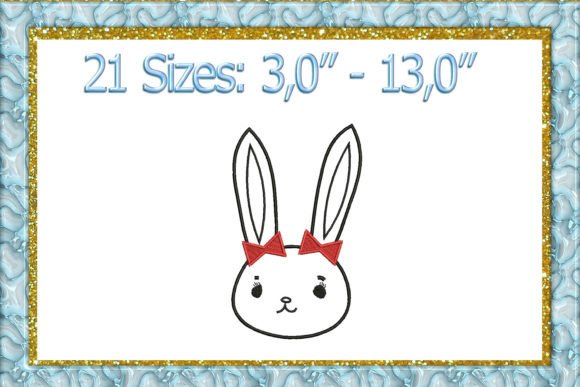
As an embroidery designer who’s developed hundreds of commercial designs for small businesses—from pet boutiques to artisan bakeries—I immediately recognize the Bunny Embroidery Design as a strong seasonal asset. Its description—“a cute rabbit with red bows”—signals approachability and charm without leaning into kitsch. That balance is rare. For brands that want warmth without sacrificing polish—think a local florist launching Easter-themed gift wraps or a handmade soap studio adding branded patches to linen bags—this design reads as friendly, handmade, and intentionally festive, not generic or mass-produced.
Real-World Performance Across Business Applications
The Bunny Embroidery Design shines where small businesses need consistent, scalable branding: embroidered patches, staff aprons, tote bag accents, and cap fronts. As a patch, its silhouette holds up well at 2.5–3 inches—ideal for attaching to denim jackets, canvas totes, or boutique shopping bags. On staff uniforms, it works beautifully on left-chest placement (especially on light-colored cotton or poly-cotton blends), offering instant visual recognition without overwhelming the garment.
For cafés or bakeries running spring pop-ups, this design adds personality to aprons and sleeve details—subtle enough for daily wear, distinctive enough for social media photos. On tote bags, it pairs naturally with minimalist typography (“Honey & Thyme Bakery” or “Petal & Paw Florist”) to reinforce brand storytelling. Etsy sellers and craft studios also benefit: the Bunny Embroidery Design elevates handmade product packaging when stitched onto fabric tags or reusable gift wraps—turning functional items into branded keepsakes.
It’s especially effective in commercial embroidery workflows because its clean lines and defined negative space translate reliably across machines. Unlike overly intricate Easter motifs, this design avoids excessive fill-stitch density—reducing thread breaks, stabilizer show-through, and digitizing revisions during production runs.
Where to Use Bunny Embroidery Design Thoughtfully
While versatile, the Bunny Embroidery Design requires mindful application in specific contexts:
- Cap fronts: Test at 2 inches wide—smaller sizes may blur bow detail or compress the rabbit’s facial expression. Opt for structured caps with flat front panels for best results.
- Curved surfaces: Avoid stitching directly over seams or heavily contoured areas (e.g., curved tote bag handles) unless paired with cutaway stabilizer and reduced stitch density.
- Dark or textured fabrics: On charcoal uniforms or linen aprons, confirm thread color contrast—red bows should pop, not disappear. Consider switching to burgundy or cherry-red thread for richer depth.
- Frequent-wash items: For kids’ apparel or café staff shirts, use high-quality polyester thread and medium-weight tear-away + cutaway stabilizer combo to preserve crispness after repeated laundering.
Brand Identity Impact: More Than Just Easter Decor
Small businesses often underestimate how much a single embroidery design shapes perception. The Bunny Embroidery Design supports brand identity by signaling care, craftsmanship, and seasonal relevance—without locking you into one-time-use marketing. When used consistently across patches, aprons, and tote bags, it builds visual rhythm and customer trust. Shoppers associate that friendly rabbit motif with authenticity—not just holiday promotion, but a business that invests in thoughtful, tactile details.
For handmade brands, it reinforces the handmade product narrative: soft curves, balanced proportions, and intentional simplicity read as human-made—not algorithm-generated. That nuance increases perceived value and encourages repeat engagement, especially on platforms like Etsy where buyers seek personality-driven differentiation.
Practical Designer Notes Before You Stitch
Before ordering bulk production or sending files to your embroidery partner, follow these field-tested steps:
- Test in black and white first: Print a grayscale version to assess contrast, spacing, and legibility—especially around bow loops and ear outlines.
- Verify small-patch viability: Resize the machine embroidery design to 2 inches wide and check if internal details remain distinct. If bows look fused or ears lose definition, request a simplified variant.
- Review thread color contrast: Red bows on light fabric? Great. On navy or heather grey? Swap to high-contrast thread—like neon pink or metallic copper—for visibility.
- Inspect spacing and underlay: Ensure no elements are too close together—tight gaps between bow ribbons and rabbit cheeks can cause thread nesting or skipped stitches.
- Confirm hoop size compatibility: Most standard digital embroidery file versions fit 4x4 or 5x7 hoops—but verify before digitizing for large-format items like tote bag backs.
- Test on real fabric: Run a sample on your exact apron linen or cap twill—not just muslin. Fabric texture dramatically affects stitch lay and sheen.
- Use proper stabilizer: Lightweight knit? Try fusible mesh. Heavy canvas? Layer cutaway with topping. Skipping this step risks puckering—even with a well-digitized Bunny Embroidery Design.
- Create a printable mockup: Present clients with a realistic visual—stitched on actual fabric swatches—not just screen renders. It prevents costly rework and builds confidence in your custom apparel service.
- Compare beside other design assets: Does it harmonize with your logo, typography, and existing design assets? Consistency strengthens recognition faster than novelty.
- Confirm commercial licensing: Since this is intended for small business merch, ensure your purchase includes rights for resale, promotional use, and client projects—not just personal crafting.
Final Thought: A Strategic Seasonal Asset
The Bunny Embroidery Design isn’t just another Easter decoration—it’s a flexible, brand-forward tool for small businesses building memorable, tactile connections with customers. Used intentionally—as an embroidered patch on staff gear, a subtle accent on product packaging, or a signature mark on boutique merchandise—it delivers professionalism, warmth, and commercial readiness. Whether you’re a solo embroiderer, a growing apparel shop, or a creative studio expanding your commercial embroidery offerings, this design earns its place in your active embroidery file library. Just remember: great branding starts with smart execution—not just charming motifs.