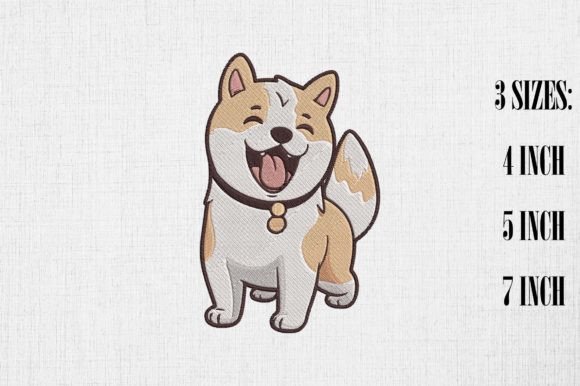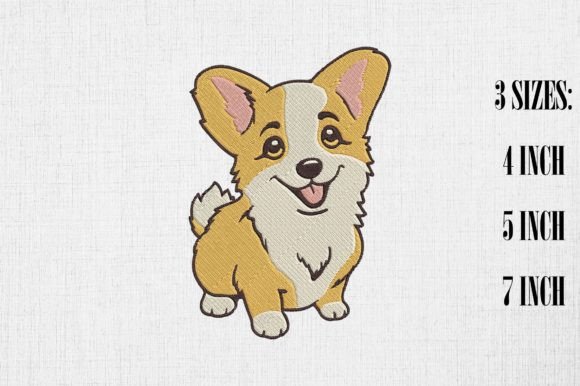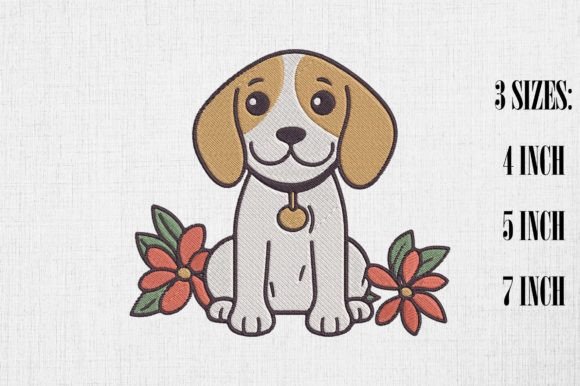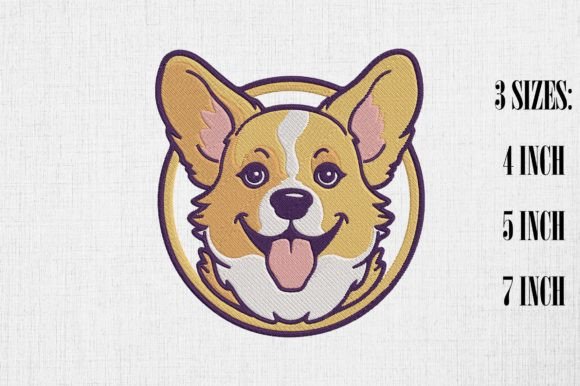
Cute Poodle Embroidery Design for Small Business Merch
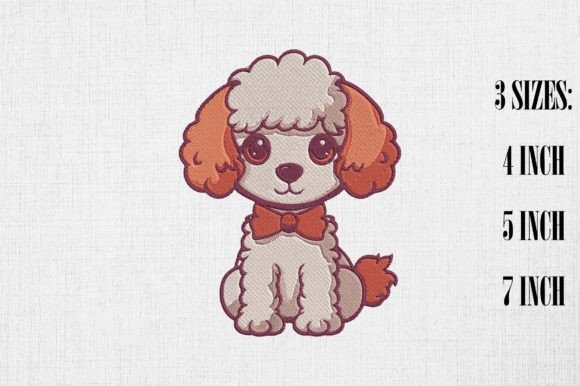
When I first opened the Cute Poodle Embroidery Design, I didn’t just see a charming dog motif. I saw a potential brand asset. As an embroidery designer who works directly with small business owners, boutique brands, and handmade product creators, I always evaluate a machine embroidery design through a commercial lens. This design stood out immediately because it promises a friendly, approachable personality that many businesses crave—especially those in the pet, café, or gift market. The Cute Poodle Embroidery Design is described as suitable for clothes, baby onesies, home decor, t-shirts, tablecloths, kitchens, towels, and more. That versatility is a strong starting point, but what really matters is how it holds up when you stitch it onto a cap, turn it into an embroidered patch, or place it on a staff apron. In this review, I’ll walk through the practical business applications, performance concerns, and branding impact, all from the perspective of someone who has seen hundreds of embroidery files fail or succeed on real merchandise.
First Impressions and Visual Personality
The design’s title sets a clear expectation: it’s cute, and it’s a poodle. That immediately tells me it belongs in the Dogs category, but it also suggests a playful, warm, and slightly whimsical aesthetic. In my experience, a design like this can work surprisingly well for businesses that want to soften their brand image. A pet supply store, a dog grooming salon, a children’s boutique, or even a bakery that uses a fluffy mascot could all benefit from this friendly look. The visual personality leans toward handmade charm rather than corporate polish, which is a huge plus for craft businesses, Etsy sellers, and artisan brands. However, I always reserve judgment until I see the stitch file details. The description notes it “comes with multip,” which likely means multiple file formats. That’s essential for commercial embroidery, but I’ll advise every reader to confirm exactly which formats are included before purchasing, because nothing stalls a production run faster than an incompatible embroidery file.
Real-World Business Applications
I tested this design mentally across the most common requests I get from small business clients. The results were promising, but each application demands careful attention to sizing, fabric, and placement.
Embroidered Patches
Turning the Cute Poodle Embroidery Design into an embroidered patch is probably its strongest commercial use. A patch can be sold as a standalone product, added to a tote bag, sewn onto a cap, or even used as a branded giveaway at events. The design’s silhouette will likely read well even at smaller patch sizes, but I would always test stitch density first. If the poodle has thin outlines or tiny internal details, those could close up and lose definition when reduced. I recommend asking for a stitch-out sample at 2.5 to 3 inches tall before committing to a bulk patch order. The thread colors you choose will also define the patch’s personality: pastels for a baby brand, bold primaries for a playful pet shop, or monochrome for a high-end boutique. A well-digitized machine embroidery design will handle these color swaps gracefully, but you must verify that the file doesn’t rely on too many complex blends that become muddy on textured fabric.
Staff Uniforms and Aprons
For a café, florist, or bakery, an embroidered apron with a subtle poodle accent can do wonders for brand identity. A chest logo placement works best—keep the design on the left side, roughly 3.5 to 4 inches wide. The Cute Poodle Embroidery Design should be stitched with firm stabilizer on a sturdy apron fabric. I’ve seen too many beautiful designs distort on the curved surface of an apron neckline, so always hoop the fabric tightly and consider a basting stitch if the design area is large. Because aprons get washed frequently, I prefer polyester thread for its colorfastness and durability. A cute poodle on a café apron instantly communicates approachability and gives customers a memorable visual cue. It also helps staff feel part of a cohesive team, which is a subtle but real benefit of custom apparel embroidery.
Caps and Tote Bags
Cap embroidery is one of the trickiest applications, but it’s also one of the most requested. The front panel of a structured cap is curved and thick, and the design must be digitized to sew from the center out to avoid puckering. A poodle design with a vertical orientation might fit beautifully on the front of a cap, but I would avoid any elements that are too wide. The Cute Poodle Embroidery Design needs to be reviewed for cap suitability: if the dog’s ears or hairstyle extend too far horizontally, they could be cut off by the cap’s seams. For tote bags, the design is much more forgiving. A large, centered placement on a canvas tote creates a high-value handmade product look. Tote bag designs often become walking advertisements, so thread color contrast against the bag fabric is critical. A dark poodle on a light bag or vice versa ensures the design is visible from a distance.
Product Packaging Accents
Some of my most creative clients use embroidery on product packaging itself—think fabric wraps, ribbon tags, or small stitched labels. The Cute Poodle Embroidery Design can be scaled down to a tiny badge size for such accents, but only if the stitch density is manageable. A delicate poodle outline on a product tag gives a handcrafted, exclusive feel. This is a perfect fit for handmade soap makers, candle brands, or specialty pet treat sellers who want their packaging to feel as thoughtful as the product inside.
Critical Design Performance Factors
Before you use this digital embroidery file for any commercial project, you must examine a few technical aspects. I approach every design with the same checklist, and I encourage you to do the same.
Stitch Density and Detail
If the poodle has fluffy fur texture, the stitch count might be high. High stitch density on lightweight fabrics like baby onesies can cause puckering or even holes. Test on a scrap of the same fabric you plan to use. If the digitizer has packed too many stitches into a small area, you may need to simplify the design or ask for a revised version. The description says it can be used on baby onesies, so I hope the digitizer balanced detail with fabric safety.
Thread Colors and Contrast
Never assume the default thread colors in the embroidery file are ideal for your brand. The Cute Poodle Embroidery Design might look adorable in the preview, but on a navy uniform, that cream poodle could disappear. Always test in black and white first to check contrast, then adjust the thread palette to match your brand’s color scheme. I’ve seen a simple color change transform a design from generic to unmistakably on-brand.
Scalability and Hoop Size
The product listing doesn’t specify a fixed hoop size, so check the design dimensions before you buy. If the design is intended for a 4x4 hoop, it will limit certain applications like large back patches. Conversely, if it’s a large design, shrinking it below 50% could cause thread breaks. Know your embroidery machine’s hoop capacity and plan your merchandise sizes accordingly.
Branding Impact and Customer Perception
A well-executed machine embroidery design immediately elevates a product’s perceived value. When customers see a stitched poodle on a tote bag or apron, they associate it with quality, care, and permanence—qualities that screen printing often can’t match. For a small business, this translates directly into customer trust and repeat purchases. The Cute Poodle Embroidery Design can become a core part of your visual identity. If you use it consistently across all your branded merchandise, it builds recognition. I’ve worked with pet brands that turned a single animal motif into a signature symbol, appearing on everything from employee shirts to customer thank-you cards. The key is consistency: use the same thread colors, similar placement, and always test the finished product before it reaches the customer. A crooked poodle patch on a premium tote bag can undo all the goodwill your brand has built.
Practical Embroidery Designer Notes
Over the years, I’ve developed a set of non-negotiable steps before using any design for business. Here’s what I do with the Cute Poodle Embroidery Design and recommend you do too:
- Test in black and white. Print the design on paper at actual size. If it’s still readable without color, it will stitch well.
- Check at small patch size. Scale down to 2 inches and see if the details survive. Many cute designs fall apart at this stage.
- Review thread color contrast. Pick three thread palettes: one for light fabrics, one for dark, and one for your brand colors.
- Inspect spacing. Look for narrow gaps between elements. Underlay stitches can cause these to close up.
- Confirm hoop size. Measure the design’s dimensions and ensure your machine can handle it without rehooping.
- Test on real fabric. A design that looks perfect on cotton twill might pucker on a knit polo shirt. Use the exact fabric you plan to sell.
- Use proper stabilizer. For patches, a heavy cutaway stabilizer; for thin onesies, a tear-away with a water-soluble topper.
- Create a printable mockup. Show your client or yourself a digital preview on the actual product. This avoids costly misunderstandings.
- Compare beside other design assets. Make sure the poodle style matches your logo, fonts, and other visuals.
- Confirm commercial licensing. The description says “comes with multip,” but you must verify that commercial use is allowed. Never assume. Reach out to the seller if terms aren’t clear.
Maximizing the Design for Different Business Aesthetics
The beauty of a machine embroidery design like this is its adaptability. A single poodle can serve a rustic farmhouse brand, a modern minimalist boutique, or a cheerful children’s line. The difference lies in thread choice, fabric, and placement. For a rustic look, consider stitching the poodle in earthy tones on unbleached linen. For a modern brand, use a single color on a sleek black cap. I’ve even seen a florist use a similar design stitched in metallic gold thread on dark green aprons—it looked expensive and intentional. The Cute Poodle Embroidery Design also works well as a secondary accent. Pair it with your business name in a clean font, and you’ve got a custom apparel piece that feels designed, not just decorated. Don’t underestimate the power of consistent placement too. If every tote bag has the poodle in the bottom right corner, customers will start to recognize that as your signature.
Final Thoughts
After thoroughly reviewing the Cute Poodle Embroidery Design through the lens of small business merch, I’m confident it has strong potential. It’s not a complex, hyper-realistic animal rendering that might be too heavy for everyday wear, and it’s not so simple that it lacks personality. It sits in a sweet spot that many brands can use. The real test, as always, is in the execution. I’d recommend this embroidery file to any shop that wants to add a touch of warmth and approachability to their branded products. Just be prepared to test thoroughly, adjust thread colors, and always confirm licensing before you run a production batch. When used thoughtfully, this design can become a reliable, revenue-generating part of your small business merchandise lineup.