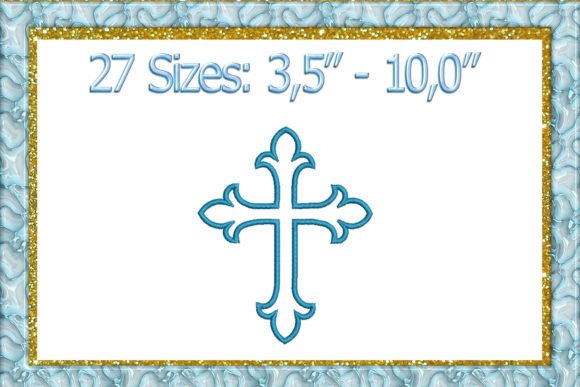
Cross Applique Embroidery Design: A Designer's Review
Some machine embroidery designs land in your studio and immediately spark a dozen business ideas. The Cross Applique Embroidery Design did exactly that. As an embroidery designer who works daily with small business owners, merch creators, and handmade brands, I evaluate every digital embroidery file through a practical lens: will it stitch cleanly, wear beautifully, and strengthen a brand identity? This review walks through my honest first impressions, real-world applications, and the production notes every commercial embroidery shop should consider before running this design on finished products.
First Impression: Clean Lines Meet Timeless Symbolism
Opening the Cross Applique Embroidery Design file, I immediately noticed its classic, respectful silhouette. The cross shape reads as refined rather than overly ornate, which makes it incredibly versatile for small business merch. It carries a quiet confidence—a balance between traditional religious imagery and modern minimalist appeal. The applique approach means the cross itself will have a smooth, fabric-filled surface rather than dense satin stitching, which gives it a premium, almost tailored look on finished garments. This isn't a loud, decorative-only design. It feels intentional, grounded, and surprisingly adaptable for brands that want to communicate values like craftsmanship, community, or faith-driven purpose.
For a café, bakery, boutique, or handmade studio, this design lands somewhere between rustic charm and polished professionalism. The applique technique softens what could otherwise feel like a rigid symbol, making it approachable enough for customer-facing merchandise and gift items. Whether you're stitching it on a linen apron or a structured cap, the visual weight feels balanced—not too heavy, not too delicate.
Embroidered Patches and Branded Labels
One of the strongest applications for the Cross Applique Embroidery Design is as an embroidered patch. The applique base reduces overall stitch density, which means the patch remains flexible and comfortable when sewn onto garments. I can easily picture a small florist using this as a sleeve patch on chambray work shirts, or a pet brand stitching it onto canvas bandanas as a subtle brand mark. Because the design relies on fabric placement rather than dense fill stitches, the finished product feels more like a woven label than a heavy traditional patch—exactly the kind of detail that elevates custom apparel and handmade product presentation.
Apron Embroidery for Cafés, Bakeries, and Studios
Apron embroidery demands designs that hold up to frequent washing, heat, and daily wear. The applique construction here is a practical advantage. Instead of high stitch count satin that can distort or pucker on apron fabric, the Cross Applique Embroidery Design uses a base fabric piece secured with a border stitch. This produces a cleaner, more durable result on cotton, linen, and denim aprons. For a small bakery or coffee shop, stitching this design on the chest or upper bib of an apron creates an instant branded look that feels handmade and intentional rather than mass-produced.
Cap Embroidery and Curved Surface Challenges
Cap embroidery always tests a design's versatility. The curved front panel of a baseball cap or dad hat can distort intricate shapes. The Cross Applique Embroidery Design, with its straightforward vertical and horizontal lines, generally performs well on caps if sized appropriately. The applique edge stitching provides a crisp outline that reads clearly even on textured fabrics. However, I strongly recommend testing the design on a cap frame before committing to a bulk order. The intersection point where the vertical and horizontal beams meet needs precise hooping to avoid shifting during stitching. For small business merch like branded caps for a church retreat, community event, or faith-based brand, this design hits the right note: visible, meaningful, and professionally finished.
Tote Bag Design and Everyday Merch
Tote bags are blank canvases for brand identity, and this design translates beautifully onto canvas, cotton, and even waxed fabric totes. Positioning the cross as a centered chest-style mark on a tote bag creates a clean, elevated look that customers actually want to carry. For Etsy sellers and handmade product designers, a tote featuring this embroidery file becomes a product in itself—not just packaging. The applique approach adds tactile interest, and the fabric choice for the cross insert opens up creative possibilities: contrast denim, linen, flannel, or even metallic faux leather for a boutique feel.
Uniform Details and Staff Merchandise
Small businesses with team members—think cafés, retail shops, creative studios—often need uniform embroidery that feels cohesive without being flashy. The Cross Applique Embroidery Design works beautifully as a chest logo accent or sleeve detail on polo shirts, button-ups, and lightweight jackets. It signals care and attention to detail, which directly influences customer trust and perceived professionalism. When a staff member wears a shirt with clean, well-executed embroidery, the buyer's engagement with the brand starts from a place of confidence.
Where to Use This Design Carefully
No design is universally foolproof, and the Cross Applique Embroidery Design deserves thoughtful application. At very small patch sizes—think under 2 inches—the applique fabric edges may become difficult to trim cleanly, and the border stitch can feel cramped. For tiny placements like collar tips or narrow zipper pulls, I'd recommend testing a simplified satin version instead. Cap fronts with extreme curvature, particularly unstructured caps, can cause the vertical beam to appear slightly warped if not hooped with precision. Dark uniforms present another consideration: the applique fabric choice must contrast enough against the garment, or the design loses visual impact. If the cross fabric piece blends into the shirt, the entire brand identity moment falls flat.
Textured fabrics like heavy fleece, chunky knit, or terry cloth also require extra stabilizer and possibly a topper to prevent the applique fabric from sinking into the pile. And while the design description mentions home decor and framed art, items that undergo frequent washing—like kitchen towels or pillowcases—need thorough wash testing to ensure the applique edges don't fray.
How This Design Shapes Brand Identity and Customer Perception
Small business merch succeeds when it creates an emotional connection. The Cross Applique Embroidery Design taps into values that resonate deeply: faith, tradition, craftsmanship, and community. For a handmade brand selling at markets or on Etsy, this design on a product label, hangtag, or packaging accent signals that the maker cares about meaning, not just margins. It elevates a simple t-shirt or tote bag into something that feels like a considered gift. Visual consistency across products—using the same cross motif on aprons, caps, and totes—builds recognition and reinforces the brand's story.
Customers who purchase religious or faith-inspired merchandise often look for authenticity. Clean embroidery, thoughtful fabric choices, and professional finishing all contribute to a product that feels worthy of gifting or keeping. The applique technique adds a handmade touch without sacrificing durability, which bridges the gap between rustic charm and commercial quality.
Practical Embroidery Designer Notes
Before running the Cross Applique Embroidery Design on any paid order, I always follow a production checklist that saves time, fabric, and client relationships. Start by testing the design in black and white or on scrap fabric first—this reveals any density issues, spacing problems, or alignment quirks without wasting finished garments. Check whether the design works at the intended patch size for your specific product line. A design that looks perfect at 4 inches may lose clarity at 2.5 inches.
Review thread color contrast carefully. The applique fabric piece does the heavy lifting visually, but the border stitch color frames the entire design. Choose a thread that complements both the applique fabric and the base garment. Compare the embroidery file with other design assets in your brand kit to ensure visual consistency. Create a printable mockup or stitched sample for client approval before production—this step alone prevents most misunderstandings about scale, placement, and finished product appearance.
Use proper stabilizer for the fabric type. Cut-away stabilizer works best for knits and stretchy garments; tear-away suits woven fabrics like aprons and tote bags. Confirm your hoop size can accommodate the design dimensions comfortably. The design description doesn't specify exact stitch count, file format, or hoop requirements, so always verify these details with the digital embroidery file seller before purchasing or starting production. The same caution applies to commercial licensing: ensure your intended use aligns with the seller's terms, especially if you plan to stitch the design on items for resale.
Final Studio Notes on the Cross Applique Embroidery Design
This design earns its place in a commercial embroidery library. It's adaptable, purposeful, and styled in a way that serves both faith-based merchandise and broader lifestyle branding. The applique technique reduces the stiffness often associated with dense satin embroidery, which makes it more wearable and more appealing to customers who value comfort alongside meaning. For small business owners building a cohesive product line, the Cross Applique Embroidery Design offers a reliable foundation piece that works across multiple garment types and merchandise categories. Test it thoroughly, pair it with quality fabric choices, and let the stitching speak for itself.