Funny Egg Embroidery: A Designer's Honest Review for Merch
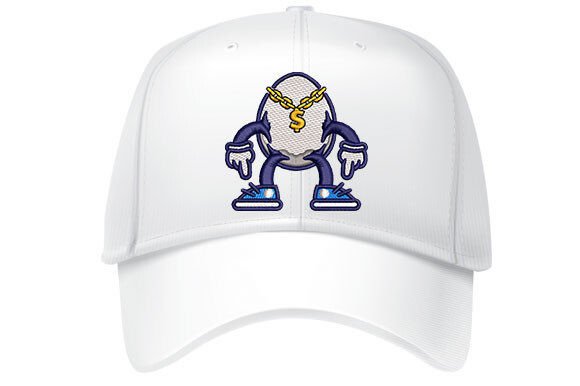
When a small business owner reaches out about adding personality to their branded merchandise, I always ask one question: does the design feel like it belongs on a finished product? The Funny Egg Embroidery design landed on my digitizing desk recently, and I have to admit, it made me smile. This cool and simple machine embroidery design promises striking results on t-shirts, caps, hats, tote bags, and more. But as any experienced embroidery designer knows, a good visual on screen doesn't always translate to a flawless stitch-out on a curved cap or a floppy tote bag. I put this design through a mental wear-test, and here is everything a fellow embroidery professional, brand owner, or craft seller needs to know before adding Funny Egg Embroidery to a commercial lineup.
First Impressions: A Playful Design with Real Branding Potential
At first glance, Funny Egg Embroidery reads as bold, friendly, and approachable. The title alone suggests a lighthearted character or a witty take on a breakfast staple. For a small business merch collection, this type of design strikes a delicate balance between professional and playful. It doesn't feel corporate or stiff. Instead, it carries a handmade, almost rustic charm that could work beautifully for a café, bakery, brunch spot, pet brand, or even a florist looking to add a quirky touch. In my studio, I always test the emotional response first. If a design makes me chuckle, it will likely make a customer reach for a tote bag or a cap. That is exactly the kind of silent selling power Funny Egg Embroidery offers.
The description says cool and simple, and that is a huge advantage. Simple embroidery designs are often more versatile. They reduce production time, lower the risk of thread breaks, and look cleaner on rough fabrics like canvas or denim. I can already picture this design as a chest logo accent, a sleeve detail, or a statement patch on a worker's apron. The lack of overly complex fills means it will likely hold up well across different thread colors and fabric textures.
Business Applications: Where Funny Egg Embroidery Truly Shines
For any embroidery shop or handmade brand, the real test is versatility. Here is where I see Funny Egg Embroidery delivering real value for small business owners and product designers.
Embroidered Patches for Boutique Appeal
An embroidered patch version of this design can become a signature add-on. Imagine a 3-inch iron-on or sew-on patch featuring a cheerful egg. A boutique could attach it to denim jackets, canvas tote bags, or even hang tags. The brand identity impact is immediate. Customers notice the extra detail, and it transforms a generic item into a branded piece of merch. I always recommend testing the stitch density for patches. Too dense and the edges curl; too light and the fabric shows through. A simple design like this usually stitches out beautifully on twill or felt and gives a premium, handmade product feel.
Apron Embroidery for Cafes and Bakeries
An apron is a walking billboard. A small, clean Funny Egg Embroidery on the bib or a pocket corner adds character without overwhelming the uniform. It tells customers that the business doesn't take itself too seriously, yet cares about the details. For a brunch café or a farm-to-table restaurant, this design aligns perfectly with the brand story. In my experience, apron embroidery needs to be sturdy. The design should be dense enough to withstand frequent washing and hot steam but not so heavy that it puckers the fabric. I would advise using a medium-weight cutaway stabilizer and always doing a wash test on a sample apron before running a full batch.
Cap Embroidery and Curved Surface Challenges
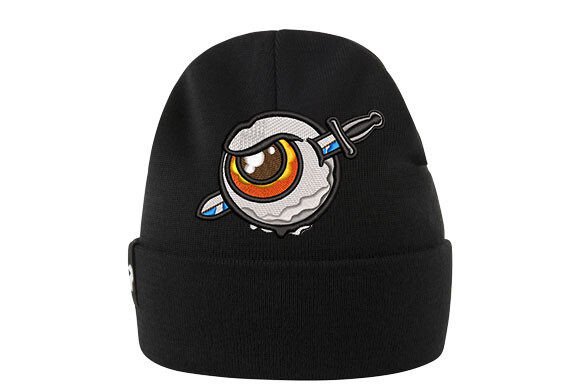
Cap embroidery is notoriously tricky. The curved surface and the center seam can distort even the best designs. Funny Egg Embroidery, being simple and likely without tiny lettering, has a strong chance of working on caps. I would place it on the front center or as a side logo. The key is to keep the design within the recommended hoop size for caps, typically under 2.5 inches tall. I would also check that no thin outlines or tiny details get lost on the textured cap fabric. A bold, well-digitized egg shape will hold up; intricate facial features or tiny text might not. Always request a sew-out on an actual cap before offering it to clients.
Tote Bag Design and Casual Branding
A tote bag design featuring Funny Egg Embroidery turns a practical item into a conversation starter. I often recommend this for Etsy sellers, craft businesses, and local shops. The design works on the front pocket, the main panel, or even as a small corner accent. Tote bags are typically made from canvas or cotton weaves that can be unforgiving. I would use a water-soluble topper to prevent the stitches from sinking into the fabric and a good sharp needle. The result is a finished product that looks elevated and intentional.
Custom Apparel and Work Shirts for Team Branding
For a small business with a tight-knit team, custom apparel builds cohesion. Embroidering Funny Egg Embroidery on polo shirts, button-downs, or even a casual tee creates a uniform that feels approachable. I see it working well for a pet supply store, a children's play center, or a creative studio. The friendly nature of the design relaxes clients and makes the brand feel more human. I always suggest placing the design on the left chest, roughly 3.5 to 4 inches wide, and testing the thread colors against the actual garment. A design that relies on a single bold color usually stitches faster and looks more professional than one with too many subtle gradients.
Practical Considerations for Flawless Production
Before running production, I run through a checklist that saves time, money, and frustration. Here is what I would consider for Funny Egg Embroidery.
- Hoop size: Confirm the exact dimensions of the embroidery file. A design that fits a 4x4 hoop is ideal for most single-head machines, but if it requires a larger hoop, you need to plan accordingly.
- Stitch density: Too high and the design becomes stiff, especially on lightweight shirts. Too low and the fabric shows through. I recommend testing on a similar fabric weight first.
- Thread colors: The design likely looks best with a high-contrast color palette. A bright yolk yellow against a dark navy or charcoal background pops beautifully. I always test in black and white first to see if the design still reads without color.
- Small patch sizes: If you plan to use the design as a small patch (under 2 inches), check if the details remain clear. Simplify even further if needed. Tiny lettering or thin strokes often disappear or become unreadable.
- Stabilizer choice: For caps, use a tear-away or heavy cutaway. For tote bags, a cutaway with a topper. For t-shirts, a lightweight fusible stabilizer prevents stretching.
- Fabric texture: A design that looks great on smooth cotton can fail on a rough linen or a fleece. I always recommend testing on the exact garment.
- Washing durability: Embroidered items for business use will be washed repeatedly. Pre-wash the fabric, and after stitching, do a wash test to check for thread shrinkage, color bleeding, or edge fraying.
I also cannot stress enough the importance of commercial licensing. The product description does not specify the license terms, so before using Funny Egg Embroidery on items sold to customers, verify that the digital embroidery file is cleared for commercial use. Many designers offer personal use only, and crossing that line can cause legal trouble. Always check the license, and if in doubt, contact the file creator.
Brand Identity and Customer Perception
Every stitch on a product communicates something about your brand. Funny Egg Embroidery injects a dose of personality that can set a small business apart. In a crowded market, a quirky, simple design can become a recognizable brand mark. A bakery that uses this design on every box of cookies or a florist that stitches it on delivery bags creates a memorable, cohesive experience. The visual consistency across merchandise builds trust. Customers start to associate the cheerful egg with quality and care.
I have seen similar designs elevate a handmade product line overnight. When someone buys a candle or a bag and sees that unexpected embroidered detail, they are more likely to share it on social media. That organic engagement is priceless for a small business merch strategy. I always tell my clients to think about the design as a brand identity asset, not just a decoration. It should work across multiple platforms: on a cap, a tote, a patch, and even a printable mockup for the website. A consistent design story helps customers feel like they are buying into a lifestyle, not just a product.
Designer Notes: How to Get the Most from Funny Egg Embroidery
Here are my personal studio tips for anyone planning to use this machine embroidery design in a commercial project.
- Test in black and white first. Print the design at actual size on paper. If the shapes and outlines are still clear, the design is strong. If not, you may need to adjust thread colors or increase contrast.
- Create a digital mockup. Before stitching a single thread, show the client a realistic mockup of the design on the actual garment. This prevents miscommunication and changes after production starts.
- Check the design assets file. The product title says embroidery design, but always confirm the file format works with your machine. Common formats include .dst, .pes, .exp, and .jef. If the listing doesn't specify, ask before buying.
- Evaluate stitch direction. A well-digitized design has stitch angles that follow the contours of the egg. Poor digitizing can make the surface look flat or cause puckering. If possible, run a test sew-out and examine the back of the embroidery for neatness.
- Consider the finish. For a patch, a merrowed edge looks professional. For direct embroidery, a clean satin stitch border frames the design nicely. I often add a narrow outline in a contrasting color if the design doesn't already have one.
- Compare it beside other design assets. If you are building a brand collection, this design should sit harmoniously with your logo, other icons, and packaging. Consistency in style and scale matters.
- Document your settings. Once you find the perfect stabilizer, thread tension, and speed, write it down. This saves time on future orders and ensures every batch is identical.
Final Thoughts: Is Funny Egg Embroidery a Smart Business Choice?
After reviewing the design from every angle a working embroidery studio cares about, I genuinely believe Funny Egg Embroidery holds real value for the right brand. It is not a corporate logo or a fragile high-detail piece. It is a cool and simple design that thrives on caps, tote bags, aprons, and casual apparel. Its strength lies in its playful personality and versatility. Small businesses looking to add a touch of warmth and humor to their merchandise will find it fits seamlessly into a brand identity that values connection over formality.
That said, treat it as you would any commercial embroidery asset. Test it thoroughly, check the stitch density, verify the hoop size, and most importantly, confirm the commercial license before selling finished products. When you do, Funny Egg Embroidery can become a reliable, charming workhorse in your small business merch lineup. As a designer, I appreciate a design that doesn't try to do too much and instead delivers exactly what it promises: a simple, striking, and smile-inducing motif that makes everyday items a little more memorable.