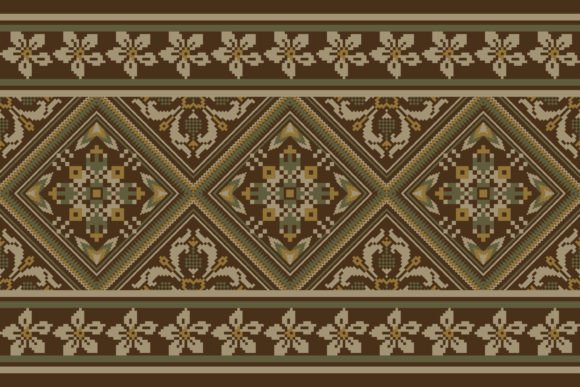
Ukrainian Embroidery Ornament Pattern
First Impression: Bold, Timeless, and Instantly Recognizable
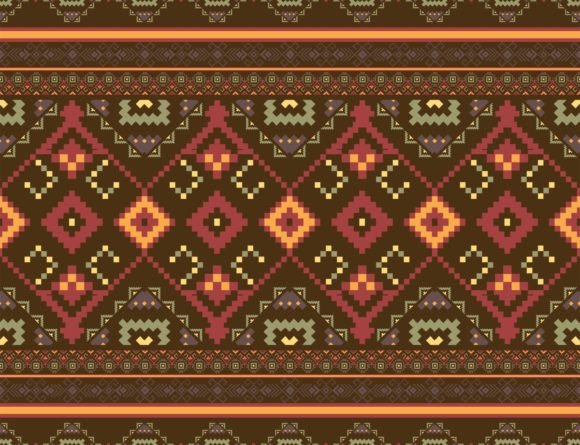
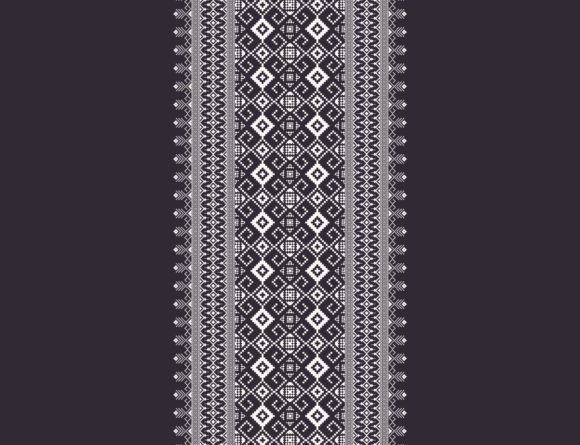
As an embroidery designer who’s prepped over 200 craft fair booths—and watched which patterns stop foot traffic dead in its tracks—I opened Ukrainian Embroidery Ornament Pattern expecting heritage weight and visual clarity. What I got was exactly that: a strong black-and-white neckline motif rooted in authentic Ukrainian ethnic dress tradition. It doesn’t read as “cute” or “minimal”—it reads as ceremonial. That’s gold at handmade markets. Customers scanning your booth for something meaningful, culturally rich, and visually confident will pause here before they even reach your aprons.
Where This Pattern Shines on Craft Fair Products
This isn’t a one-size-fits-all motif—it’s a strategic design asset. Here’s how it performs across high-traffic craft fair items:
- Tote bag design: Perfect as a centered chest panel or subtle side border. The seamless border feature lets you wrap it elegantly around curved handles or corners without visible repeats.
- Apron embroidery: Ideal above the pocket or along the bib edge. Its neckline origin translates beautifully to vertical framing—adds heirloom gravitas to a functional item.
- Tea towel embroidery: Works best as a top-hem band or corner accent. Avoid full-center placement unless you’re using a large-format hoop—the density holds up well on terry-cotton if stabilized correctly.
- Embroidered patch: Excellent candidate. Clean lines and high contrast make it crisp at 2.5–3" width. Great for sew-on or iron-on applications on denim jackets, caps, or market bags.
- Pillow covers & fabric pouches: Strong focal point when scaled to 4–5". The tribal art rhythm gives dimension without overwhelming small surfaces.
- Caps & curved surfaces: Use only the central motif—not the full border—unless you’re digitizing a custom curve-fit version. Test stitch on scrap first: tight curves can distort fine line work.
What Makes It Sell—Beyond Aesthetics
This pattern earns trust fast. Buyers recognize authenticity—even without knowing the specific regional origin (like Poltava or Hutsul), the black-and-white restraint signals intentionality and craftsmanship. That perception lifts perceived value: a $28 embroidered tea towel feels like a collectible, not just kitchenware. At craft fairs, where shoppers compare 12+ booths in under 90 seconds, Ukrainian Embroidery Ornament Pattern delivers instant brand consistency—especially if you pair it across multiple products (e.g., matching tote + pouch + patch set). It also photographs exceptionally well for Etsy listings: high contrast = clean mockups, no color correction needed, minimal shadowing required.
Production Reality Check: Know Before You Hoop
Yes, it’s beautiful—but let’s talk execution. As a working embroidery designer, I flagged these practical notes before cutting my first stabilizer sheet:
- Stitch density matters: Black-and-white doesn’t mean low density. Tribal motifs often pack fine cross-stitch zones or tight satin borders. Always test on your target fabric—especially textured tea towels or thick canvas tote bags.
- Small details don’t scale down: Tiny geometric infills or narrow stems may vanish below 2" width. For patches or cap fronts, simplify or re-digitize the core shape—not the full ornamental border.
- Dark fabric? Reconsider thread contrast: The pattern is black-and-white, but your threads aren’t. On navy or charcoal, use bright white or ivory thread—not off-white—to preserve legibility.
- Hoop size & placement: The neckline layout implies vertical orientation. Confirm your machine’s largest stable hoop fits the longest dimension—or split the design into two clean sections for larger items like pillow covers.
- Stabilizer choice is non-negotiable: Use cutaway + tear-away combo for towels and bags; lightweight fusible for caps and pouches. Skipping this step turns crisp lines into wobbly smudges.
Smart Moves Before Your First Batch
Don’t skip these five steps—they’ve saved me from three craft fair returns and one Etsy refund request:
- Test the Ukrainian Embroidery Ornament Pattern on scrap fabric *in your actual production setup*—same needle, thread, stabilizer, and hoop.
- Check thread contrast under natural light *and* booth lighting. What reads bold on screen may fade under warm LED market lights.
- Review spacing between repeated elements—especially if using the seamless border as a continuous trim. Gaps or overlaps become glaring on wide-apron hems.
- Create at least one real-world mockup: embroider it onto your final product (not just a swatch) and photograph it in situ—on a shelf, draped over a basket, pinned to a corkboard.
- Verify commercial licensing terms. As a digital embroidery file in the Patterns category, this is likely intended for commercial embroidery—but confirm before selling finished products on Etsy or at wholesale markets.
Final Thought: A Pattern That Carries Weight
Ukrainian Embroidery Ornament Pattern isn’t just decoration—it’s storytelling you can hold. In a sea of generic florals and trendy quotes, it offers quiet confidence, cultural resonance, and artisanal credibility. For the Etsy seller refreshing their shop, the boutique maker curating limited-edition gifts, or the Cricut crafter expanding into machine embroidery, this is a Graphics-level asset with finished product impact. It won’t shout—but it will be remembered. And at a craft fair? That’s how loyal customers begin.