Smiling Apple Embroidery Design
As a professional embroidery designer, I’m always searching for digital files that combine charm with reliable stitch quality. The Smiling Apple Embroidery Design from Creative Fabrica immediately caught my attention with its cheerful expression and clean lines. In this review, I’ll share how I’d evaluate this design for real customer orders—from kitchen towels to baby gifts—and whether it’s a smart choice for your handmade business.
First Impressions: Playful and Purposeful
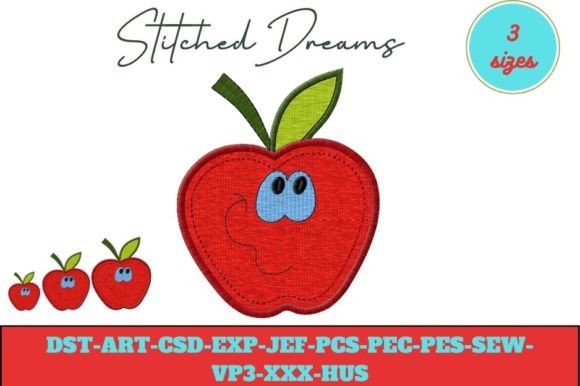
This design is a plump, cheerful apple with a beaming grin and a twinkling eye, exactly as described. It radiates positivity without being overly complex. As a digitizer myself, I appreciate that the apple’s silhouette relies on bold satin stitch borders and smooth fill stitch areas. The face is created with simple running stitch lines, which means fewer trims and color changes. This smart digitizing makes the design suitable for a wide range of machine embroidery projects, even on machines that struggle with dense or tiny details.
The mood is undeniably kid-friendly and whimsical, but it’s versatile enough for adult kitchen decor or a playful sweatshirt accent. I wouldn’t hesitate to use it on a tote bag for a teacher’s gift or a bib for a baby shower. The design’s simplicity is its strength; it doesn’t try to be a photorealistic apple, and that’s a relief for anyone who’s ever cursed at a design with too many trims.
Where I’d Stitch the Smiling Apple
Based on the preview, I’ve mentally mapped out several winning product ideas that would benefit from this design’s upbeat personality:
- Kitchen towels and aprons: A red apple on a striped towel instantly brightens a kitchen. Pair with a gingham apron for a cohesive farmhouse look.
- Tote bags: A single bold apple centered on a canvas tote creates a simple, marketable tote bag design that appeals to eco-conscious shoppers and teachers.
- Baby blankets and bibs: The cheerful face makes it a natural for nursery items. Stitch on a soft minky blanket or a cotton bib for a no-fail baby gift.
- Sweatshirt accents: Place the apple on the chest of a crewneck or the sleeve of a hoodie. It adds a subtle pop of personality without overwhelming the garment.
- Embroidered patches: With a tight satin edge and appropriate backing, you could produce a standalone embroidered patch for backpacks or jackets.
- Personalized gifts: Add a name or date underneath the apple using your machine’s built-in font, and you have a custom gift for birthdays, teacher appreciation, or fall celebrations.
These applications cover a wide demographic, which is essential for Etsy sellers and craft fair vendors who need designs that sell quickly and repeatedly.
How It Performs in the Real World
No matter how cute a design looks on screen, its true test comes under the needle. I always consider fabric, stabilizer, and hoop restrictions before committing to a customer order.
Fabric and Stabilizer
The apple’s large fill area will be happiest on stable, non-stretchy fabrics like cotton, linen, or canvas. For stretchy fabric like a sweatshirt or onesie, I’d use a cutaway stabilizer and possibly a temporary spray adhesive to keep the design from shifting. On textured fabric or terry cloth, a water-soluble topping is a must to prevent the stitches from sinking into the pile. If you’re working on dark fabric, a light underlay thread can help the colors pop, but always test first—the smiling face relies on contrast to be readable.
Hoop and Placement
Although the product listing doesn’t specify the exact size, I’d expect this design to fit comfortably in a 4x4 inch hoop, which is the most common size among home embroiderers. This makes it accessible for small-scale crafters. When stitching on caps or curved surfaces, check the design’s dimensions and use a cap frame. The rounded apple shape should conform well to the curve, but if the design is too large, it may distort on the seam. For baby items, a 4x4 hoop is ideal.
Thread and Density
Keep the thread palette simple: a classic red or green apple with a brown stem and white catchlights. The twinkling eye and grin are likely digitized as single running stitch lines, so use a thread that contrasts strongly with the apple body. If the stitch density feels too high, you might experience puckering on lightweight fabrics. I always test on a scrap of the exact fabric and stabilizer I plan to sell, adjusting density in my software if my machine allows.
Boosting Your Brand with a Smiling Apple
In my experience, designs that trigger an emotional response—like this apple’s infectious grin—sell better than intricate, realistic motifs. Here’s why the Smiling Apple Embroidery Design can elevate your handmade products:
- Instant visual appeal: The cheerful face stops scrollers in their tracks, both in online listings and at craft booths. It photographs beautifully, making your product listings more engaging.
- Wide demographic: From babies to grandmothers, a smiling apple is universally appealing. It’s not tied to a specific holiday, so you can sell it year-round.
- Enhanced giftability: An item with a happy, wholesome motif feels more thoughtful than a plain one. This allows you to price your work a bit higher, increasing your profit margin.
- Brand consistency: If your shop’s aesthetic is playful and cheerful, this design fits right in. You can easily build a collection with other smiling fruits or vegetables to create a cohesive line.
I’ve personally seen smiley food designs outsell realistic ones at my own craft fair booth. The emotional connection is immediate, and this apple is a prime example of that principle in action.
Practical Tips for a Perfect Stitch-Out
Before you stitch this design onto a customer’s product, follow these steps to ensure a professional result:
- Test on scrap fabric with the same stabilizer and thread you’ll use for the final piece. Look for thread breaks, gaps, or puckering.
- Check thread color contrast especially on the face details. A dark outline on a dark apple will disappear, so adjust accordingly.
- Review stitch density. If the fill is too dense, you might need to reduce it in your software or add a heavier stabilizer.
- Confirm hoop size by measuring the design file. Ensure it fits your hoop with room to spare.
- Compare light and dark fabric mockups. What looks crisp on white may blur on navy. If the listing includes a printable mockup, use it to preview placement.
- Use proper stabilizer. Cutaway for knits, tear-away for wovens, and topping for textured surfaces.
- Inspect small details. The grinning mouth and eye should be clean and even. Trim any jump stitches carefully.
- Verify file details on Creative Fabrica. Before purchasing or downloading, check the included formats, hoop size, and license terms to ensure you’re covered for commercial embroidery use.
My Honest Recommendation
After weighing the visual appeal, practical stitchability, and marketability, I believe the Smiling Apple Embroidery Design is a solid investment for crafters focused on cheerful, handmade goods. Its simplicity is a major advantage for production speed, and the emotional hook makes it a strong seller. I’d comfortably use it for a baby shower gift, a set of kitchen towels, or a boutique sweatshirt line. Just be sure to run a test stitch-out and confirm the licensing on Creative Fabrica. Once you’re confident in the results, this little apple is ready to bring smiles to your customers—and steady sales to your shop.