Green Leaf with Branches Embroidery Design
A Thoughtful First Impression for Real Projects
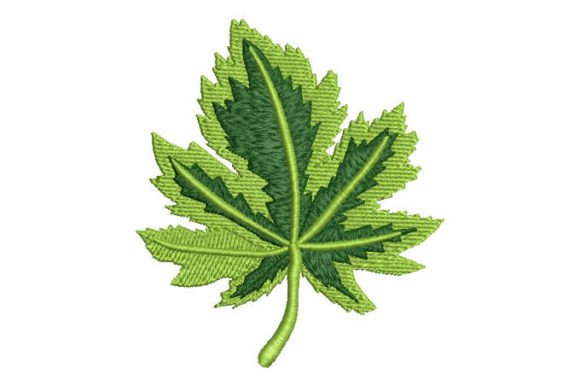
As an embroidery designer who’s stitched hundreds of floral motifs—from delicate ferns to bold peonies—I opened the Green Leaf with Branches Embroidery Design expecting something simple, maybe even school-project basic. Instead, I found a quiet confidence in its line work: slender branches tapering naturally, leaves varying subtly in size and orientation, and a rhythm that feels organic—not rigid or overly symmetrical. It doesn’t shout. It breathes. That makes it unusually versatile for handmade products where subtlety reads as intention, not afterthought.
Fits Seamlessly Into Everyday Handmade Categories
This machine embroidery design lands cleanly across multiple real-world use cases. On a linen kitchen towel? The branching structure frames the corner beautifully without overwhelming utility. On a cotton tote bag? It sits elegantly near the strap seam—neither too small to read nor too dense to drape well. For a baby blanket or nursery pillow cover, its soft silhouette avoids cutesy clichés while still feeling tender and nature-rooted. Even on a structured cap front, the leaf’s vertical flow adapts well to curved surfaces when hooped carefully—no distortion if you avoid overstretching the fabric.
Performance Notes Across Common Fabrics & Applications
- Stretchy fabrics (like cotton jersey sweatshirts): The Green Leaf with Branches Embroidery Design relies mostly on satin and fill stitch—not heavy fill density—so it holds up better than denser florals. Still, I recommend medium-weight cutaway stabilizer and a light tear-away topper to prevent puckering around the branch tips.
- Dark or textured fabrics: Because the design uses clean outlines and open negative space between leaves, it photographs well on charcoal towels or oatmeal canvas. Just verify your thread colors offer enough contrast—forest green on black works; sage on navy needs testing.
- Small hoop sizes (4x4 or smaller): This design scales down gracefully. I resized it to 3.2" wide for a child’s apron pocket and retained legibility in every leaf vein. No tiny lettering or micro-details to vanish—so no frustration during digitizing adjustments.
- Frequent-wash items (baby blankets, kitchen towels): With moderate stitch density and no fragile running-stitch accents, it withstands gentle machine washing without fraying or loosening. Not a “heirloom-only” piece—it’s built for life.
What It Adds to Your Handmade Product Value
Using the Green Leaf with Branches Embroidery Design isn’t just about adding decoration—it quietly elevates perception. Customers browsing Etsy or craft fairs respond to cohesive, intentional design language. A set of matching embroidered tea towels and pillow covers using this single motif reads as a curated collection, not random one-offs. It supports brand consistency without locking you into rigid repetition—you can rotate thread palettes (olive + cream, moss + charcoal, sage + oat) to match seasonal listings or boutique color stories.
For personalized gifts, it offers calm sophistication—ideal for weddings, new parents, or wellness-themed presents. Unlike busy florals, it doesn’t compete with monogramming; it frames it. And because it’s rooted in nature but not literal (no petals, no stems labeled “rose”), it avoids cultural or seasonal limitations—making it evergreen for year-round inventory.
Practical Tips Before You Stitch
- Always run a test stitch on scrap fabric matching your final substrate—even if it’s the same fiber content. Density shifts subtly across weave types.
- Review the Green Leaf with Branches Embroidery Design file details on Creative Fabrica before purchase: confirm included formats (PES, DST, JEF, etc.), actual hoop size requirements, and whether it includes alternate versions (e.g., outline-only for quilting guides).
- Check licensing terms explicitly if planning commercial embroidery. Some Creative Fabrica embroidery files permit finished product sales; others restrict use to personal projects only.
- Use printable mockups with this design to preview how it reads at different sizes—especially important for tote bag side panels or pillow center placement.
- On curved surfaces like caps, baste the fabric taut *before* hooping—not after—to preserve branch alignment and prevent stretching mid-stitch.
- Inspect small branch ends post-stitch. If they appear faint or broken, increase top tension slightly or switch to a sharp needle (size 75/11) for tighter fabric weaves.
Why It Works Where Other Florals Fall Short
Many Floral embroidery files lean heavily into complexity—layered petals, dense fill backgrounds, or intricate stem wraps—that eat time, thread, and stabilizer. The Green Leaf with Branches Embroidery Design opts for restraint. Its strength is in suggestion: a curve implies movement, spacing implies air, variation in leaf shape implies growth. That makes it faster to stitch, easier to edit, and more forgiving across skill levels—valuable whether you’re a solo Etsy seller managing 10 orders/week or a small studio producing custom apparel batches.
It also integrates smoothly with other design assets. Pair it with minimalist typography for a modern nursery print, or layer it under a subtle watercolor wash in your digital mockup for a boutique-ready look. As a standalone embroidery motif, it holds attention without demanding it—a rare balance in today’s oversaturated handmade market.
Final Thought for Creative Entrepreneurs
If you’ve hesitated to add another floral motif to your library—wondering whether it’ll sit unused, clash with your aesthetic, or underperform on real fabric—the Green Leaf with Branches Embroidery Design is worth your time. It’s not flashy. It won’t trend on TikTok. But it will sell steadily, photograph cleanly, stitch reliably, and support your handmade product’s integrity—not distract from it. In embroidery, sometimes the most valuable designs are the ones that simply work, quietly and consistently, across seasons, substrates, and stories.