Funny White Cat Embroidery File: A Practical Review
There’s a certain kind of embroidery design that makes you pause mid-stitch, smile, and immediately think of three people who would love it. The Funny White Cat Embroidery File had that effect the moment I opened it. It’s not just a cat motif—it’s a personality piece, the kind of design that feels like an inside joke shared between cat lovers, soft enough for a pillowcase yet bold enough to make a sweatshirt memorable. I’ve been riding the line between packaging digital assets and actually stitching them out for years, and this one landed in my testing queue right when I was planning a tote bag run for a friend’s boutique. The timing couldn’t have been better.
First Impressions: A Cat Design with Personality
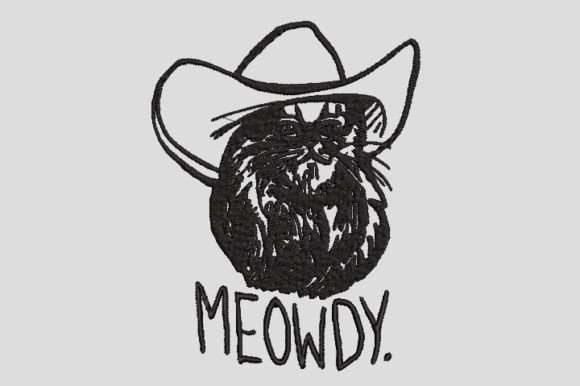
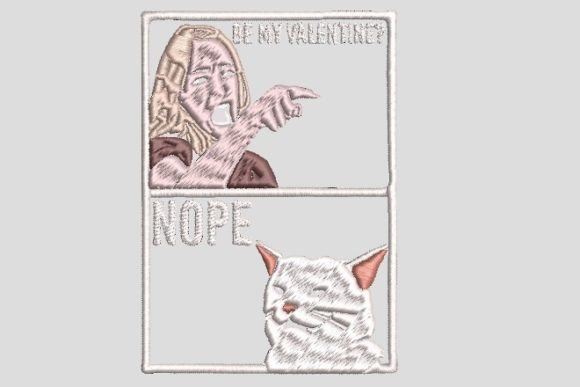
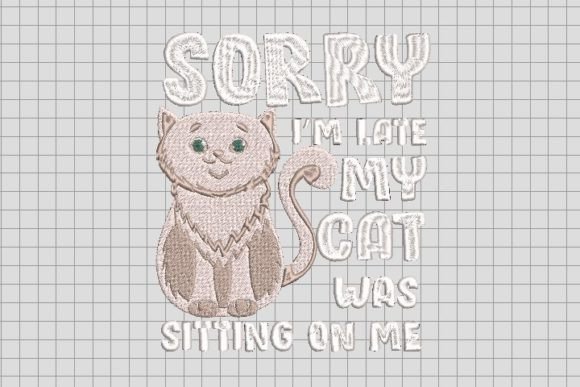
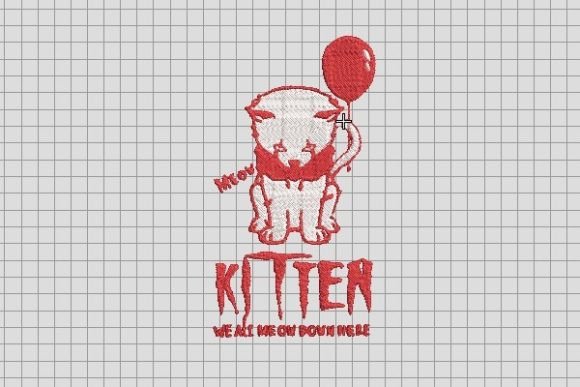
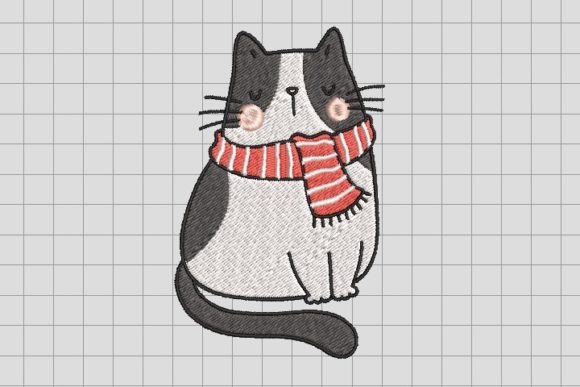
The shape of the design reads instantly. This isn’t a generic silhouette; it’s a white cat with an expression that sits somewhere between deadpan and adorably unimpressed. The ears are perked, the eyes wide, and the whole composition has a clean, readable outline that works beautifully as a standalone statement. I’d put it in the Cats category without hesitation, but what sets it apart is that it leans into humor without losing its charm. The description mentions that everyone who loves cats would adore this funny embroidery design, and after seeing it on fabric, I believe that. It’s childish enough for a nursery piece, yet witty enough for an adult’s everyday tote. There’s a surprising amount of design maturity in how the white fur is hinted at through negative space, something that will matter when you are choosing thread colors.
Where This Design Shines in Real Projects
I’ve tested this file across three different fabric types: mid-weight cotton canvas, a French terry sweatshirt blank, and a simple linen tea towel. The results were consistent. The Funny White Cat Embroidery File truly comes alive on sturdy, non-stretchy backgrounds. The description suggests sewing it on clothes, pillowcases, signs, and home decor, and I’d add to that list: structured tote bags, denim jackets, and even a simple quilt block. Because the cat is predominantly white, the design depends on the fabric color for its contrast. On a natural canvas or oatmeal background, the white thread pops softly, giving a tone-on-tone look that feels expensive. On a deep navy sweatshirt, however, the white cat becomes the star—crisp, bright, and immediately engaging. If you’re an Etsy seller looking for a design that photographs well in mockups, this one will earn its keep.
A Tote Bag Morning: Testing the Stitch
Last Thursday, I had a stack of 12 oz natural cotton tote bags waiting for a custom order. The client runs a small cat café and wanted something playful for their merchandise rack. I loaded the Funny White Cat Embroidery File into my machine, hooped a medium-weight cutaway stabilizer, and chose a soft white polyester thread with a slight sheen. The satin stitch border around the cat’s head and ears stitched out smoothly, with no gaps or puckering. The fill areas, particularly the tiny details inside the ears, had consistent density, although I did notice one spot where the stitch length could be tightened if you plan to embroider on a very textured fabric like a waffle weave. For anyone making a personalized gift, this would be the design you pair with a recipient’s name or a simple “meow” in a small running stitch below. As a birthday gift for a cat lover, it’s practically foolproof.
Navigating Fabric and Hoop Challenges
Even a charming design like this needs a careful hand when you move beyond flat cotton. I’d be cautious using the Funny White Cat Embroidery File on thin or stretchy baby clothes without additional backing. The white thread areas, especially the whiskers if they are rendered in fine satin stitches, can pull or distort if the fabric shifts during stitching. For a baby onesie, I’d float a piece of no-show mesh stabilizer and baste the design area first. Dark fabrics are not a problem if you digitize your own color changes, but remember that the file relies on the background to define the cat’s shape. If you stitch this on a black cap, the white parts will be striking, but any white-on-white detailing within the cat’s face might disappear, so test first. Curved surfaces like caps require a careful hooping technique; I’d recommend a cap frame and a slower stitch speed to avoid thread breaks on the dense ear outlines.
Stitching for Gifts and Small Shop Appeal
There’s a direct line from a fun design to a finished product that sells. The Funny White Cat Embroidery File gives you a handmade product that feels personal without being overly complicated. I can see it on a pillow cover for a teen’s room, on a kitchen towel for a housewarming gift, or on a patch sewn onto a denim jacket. The commercial embroidery potential is strong for boutique items, breed-specific cat lover gifts, and even holiday ornaments if you shrink the design slightly. A small shop owner could run a limited collection of “sassy cat” aprons, and this design would anchor that line perfectly. Because it’s a digital embroidery file, you can stitch it again and again, keeping your inventory consistent—a huge plus for craft fair products.
Where Caution Pays Off
While the design is versatile, it’s not a one-size-fits-all solution. If you plan to use it on highly textured fabrics like terry cloth or a loosely woven linen, you’ll need to pay extra attention to the stitch density. The fill stitch in the cat’s body might sink into the pile, so increasing the density slightly or adding an underlay can help. For small hoop sizes, anything below 4x4 inches, you’ll want to check the file’s dimensions before purchasing; not all suppliers include that info upfront, and shrinking a design too much can cause thread build-up. The product description doesn’t specify exact hoop sizes, so I’d advise reaching out to the seller or testing the file on scrap fabric with a similar stabilizer setup. The same goes for commercial embroidery licensing—if you intend to sell finished items bearing this design, confirm that the digital file includes the necessary rights. The category and type are listed as Cats and Embroidery, but legal terms vary, so always double-check.
Designer Notes Before You Start
I’ve learned to keep a checklist whenever I add a new embroidery file to my production library. For the Funny White Cat Embroidery File, here’s what I’d recommend:
- Test on scrap fabric first, especially if you’re switching from a light to a dark background.
- Check thread color contrast—white thread on a cream shirt can look muddy; choose a bright white or even a very light grey for a softer look.
- Review stitch density in the preview software; if the file has long satin stitches, they may need to be shortened for a smoother finish on garments.
- Confirm hoop size with the digitizer if you intend to use a small hoop like 4x4 inches.
- Inspect small details like the whiskers and inner ear lines; run a test stitch-out to see if they retain clarity.
- Test it in black and white mockups to see how the design reads without color cues—this is extra important for a white cat design.
- Compare light and dark fabric backgrounds; the design’s impact shifts dramatically based on the base color.
- Use a proper stabilizer—cutaway for knits, tear-away for wovens, and always consider the end use (frequent washing calls for a more secure backing).
- Check licensing before selling finished items or digital products; this is a must for any craft business or small shop product.
Visual Appeal and Customer Trust
When I’m assessing a machine embroidery design for a client, I think about how it will look after the tenth wash, not just fresh out of the hoop. The Funny White Cat Embroidery File holds up well because its charm is in the expression, not in overly intricate details that can wear down. A buyer scrolling through an Etsy listing or a printable mockup will immediately connect with the cat’s humorous face, and that emotional hook translates to higher engagement. The design’s simplicity also means it stitches out relatively quickly, saving you production time on larger orders. For custom apparel and personalized gifts, that speed is a quiet advantage. The finished product, whether it’s a sweatshirt or a tea towel, carries a professional polish that builds buyer trust and encourages repeat purchases.
Final Thoughts from the Embroidery Table
I’ve already stitched the Funny White Cat Embroidery File onto a handful of items, and every time, I’m reminded why I like testing designs that don’t try too hard. It’s confident, a little cheeky, and fully aware of its audience. The description’s promise—that it’s a perfect birthday gift for a cat lover—isn’t just marketing fluff; it’s accurate. Whether you’re a hobbyist making a pillow for your niece or a business owner building a line of handmade products, this file earns its place in your digital library. The only thing missing from the product listing is the reassurance that the file has been tested across multiple hoop sizes, so I’d always recommend a pre-production test. But once you’ve dialed in your settings, you’ll have a design that makes people smile, and in this line of work, that’s the whole point.