Cat with Christmas Scarf Embroidery File
A Designer’s First Look: Playful, Not Precious
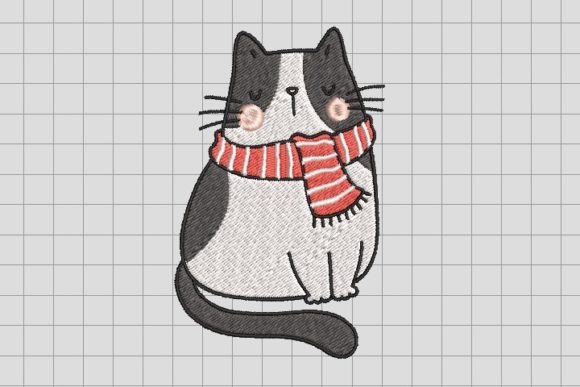
When I opened the Cat with Christmas Scarf Embroidery File, my first thought wasn’t “How many stitches?” or “What hoop size?”—it was “This cat would make a toddler giggle mid-meltdown.” That’s the real test. The design features a round-faced, slightly lopsided feline wearing a knotted scarf with playful tassels—no intricate facial shading, no delicate whisker outlines, just confident, friendly charm. It leans into bold shape over fine detail, which tells me it’s built for clarity at 3–4 inches wide—not for micro-embroidery on cufflinks, but for joyful visibility on a baby onesie or a kitchen towel hung front-and-center.
Where It Shines: Real Projects, Real Reactions
Last week, I stitched the Cat with Christmas Scarf Embroidery File onto a set of organic cotton pillow covers for a local boutique’s holiday launch. Customers loved it—not because it was “artisanal” or “limited edition,” but because it felt warm, approachable, and unmistakably handmade. That’s its strength: it reads instantly. No decoding needed.
- Custom apparel: Works beautifully on crewneck sweatshirts—especially lighter-weight fleece where dense fill stitch won’t stiffen the fabric.
- Baby embroidery: Ideal for bodysuits and burp cloths. The clean silhouette holds up after repeated washing, and the scarf adds festive flair without clutter.
- Tote bag design: Stitches cleanly on canvas or medium-weight linen. The scarf’s diagonal drape gives motion to an otherwise static shape.
- Embroidered patch: With minor trimming and heat-seal backing, this design translates well to iron-on patches for backpacks or denim jackets.
- Holiday gift & boutique product: It feels personal without being overly sentimental—perfect for Etsy sellers offering “hand-stitched holiday joy” without needing monogramming.
Where to Pause: Practical Limits You’ll Notice Mid-Stitch
This isn’t a design that hides flaws—and that’s honest, not flawed. On textured fabrics like bouclé or heavy terry cloth, the scarf’s tassels can blur unless you use cutaway + tear-away stabilizer combo. On stretchy fabric (think jersey baby blankets), skip the satin-stitched scarf edges unless you’ve pre-stabilized aggressively—the tension can pucker. And on dark fabric? Test your thread colors first. The original file likely assumes light backgrounds; switching to red/green thread on navy requires checking contrast in a printable mockup before stitching.
It’s also not built for tiny hoops. If you’re planning cap embroidery, confirm whether the file includes a simplified version—or be ready to manually reduce density in the scarf’s knots. Dense fill areas (like the cat’s chest) can look heavy on thin cotton poplin unless you lighten stitch density in your editing software.
What It Adds to Your Finished Product
The Cat with Christmas Scarf Embroidery File elevates perceived value without demanding premium skill. Its visual personality makes a handmade product feel intentional—not “just embroidered,” but *designed*. For craft business owners, that builds customer trust: buyers recognize effort, warmth, and attention to mood—not just technique. On Etsy listings, it performs well in search for “funny cat embroidery” or “holiday baby embroidery,” especially paired with strong lifestyle photos showing the stitch on a real pillow or onesie.
It also supports brand consistency. If your shop leans into cozy, inclusive, gently whimsical holiday themes—think muted reds and cream instead of glitter and neon—this file fits seamlessly. It doesn’t shout. It winks.
Designer Notes You’ll Actually Use
Before stitching your first client piece or batch-producing for a craft fair:
- Test the Cat with Christmas Scarf Embroidery File on scrap fabric matching your final project’s weight and stretch.
- Check thread color contrast in both black-and-white and color mockups—especially if selling digital files or previewing on dark garments.
- Review stitch density: high-density fill in the cat’s body is great for stability, but may need reduction for lightweight apparel.
- Confirm hoop size compatibility—if your machine maxes out at 4×4”, verify the design fits comfortably with ¼” margin.
- Inspect small details: Are tassel ends crisp? Does the scarf knot hold definition? Zoom in before sending to the machine.
- Use appropriate stabilizer: medium cutaway for knits, tear-away for stable wovens, and avoid lightweight fusible-only on anything that will be washed.
- Verify licensing: This is a machine embroidery design, not an applique design—so confirm whether commercial use (selling finished embroidered items or reselling the file) is permitted.
Final Thought: A Design That Serves the Maker
The Cat with Christmas Scarf Embroidery File doesn’t try to be everything. It’s not photorealistic. It’s not minimalist. It’s not layered with metallic thread options or seasonal variants. And that’s why it works so well in real life—it’s focused, flexible, and forgiving. Whether you’re an Etsy seller batching holiday tea towels, a small shop owner embroidering aprons for a café pop-up, or a parent making personalized gifts, this file delivers consistent, cheerful results without constant troubleshooting. It’s embroidery that supports your time, your tools, and your customers’ smiles—not the other way around.