Bow Digital Embroidery Designs: A Designer’s Honest Review
As someone who stitches almost every day for custom orders, Etsy listings, and craft fair inventory, I’m always on the lookout for embroidery designs that feel both elegant and versatile. When I spotted the Bow Digital Embroidery Designs on Creative Fabrica, I immediately wondered if it could become a go-to accent for apparel, baby gifts, and accessories. The product description promised a “mesmerizing and elegant bow, delicately crafted with a harmonious blend of captivating colors,” and that alone was enough to make me download the file and take a closer look. Here’s my honest evaluation, written from the perspective of a working embroidery designer who needs designs that stitch cleanly, sell well, and hold up to real-world use.
First Impressions: Graceful Curves and Captivating Colors
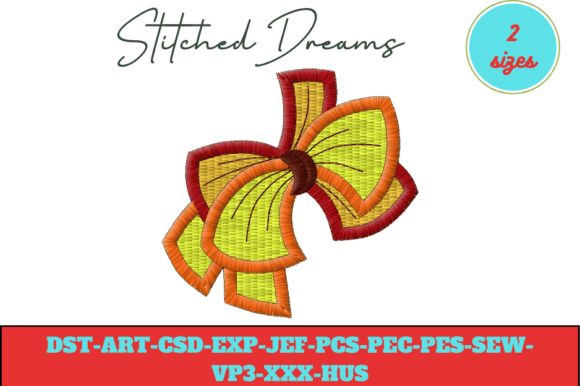
Opening the embroidery file in my software, the first thing that struck me was the bow’s silhouette. The curves flow gracefully, without any awkward sharp angles that might translate into puckering or thread breaks. The design leans into a soft, decorative personality—there’s a gentle sweep to the ribbon tails and a plump, symmetrical center knot that gives the bow a polished, gift-like charm. The “harmonious blend of captivating colors” mentioned in the description seems to refer to a pre‑digitized color palette that moves across the bow in a subtle gradient or tonal shift. While I can’t confirm the exact thread changes without stitching, the preview suggested a thoughtful use of satin stitches and fill stitches to create depth, making the bow look less flat and more dimensional.
For anyone who sells handmade product lines, this kind of visual mood matters. A bow that looks too cartoonish won’t fit a boutique aesthetic, but one that’s overly realistic might be too dense. The Bow Digital Embroidery Designs sit comfortably in the middle—romantic enough for nursery decor, clean enough for modern personalized gifts. The design feels like it would photograph beautifully on a finished product, which is a huge plus when you’re trying to build shopper trust through product listings.
Where This Bow Embroidery Design Excels
I considered the design for a handful of real projects I handle regularly, and it quickly became clear that the bow’s strength lies in its adaptability. It’s not locked into one narrow niche. Here are a few scenarios where I believe it would genuinely shine:
- Custom apparel – A delicate bow on a sweatshirt chest or a cuff adds a subtle, feminine accent without overwhelming the garment. I’d pair it with a name or initial for a soft, personalized look.
- Tote bags and pouches – A single bow centered on a canvas tote bag design can turn a simple blank into a giftable item. The curves break up the square shape of the bag nicely.
- Baby items and nursery decor – Bows on baby blankets, bibs, or onesies are consistently good sellers. The graceful lines here feel gentle enough for a nursery without being too fussy.
- Kitchen towels and aprons – A coordinating bow on a set of linen kitchen towels or an apron pocket gives a homemade, farmhouse-chic feel that does well at craft fairs.
- Patches and caps – I’ve seen bow patches sell well as iron‑on accents or sewn‑on applications. The design’s central symmetry makes it a natural fit for a structured cap front, though you’ll need to check the size against a curved cap surface.
- Pillow covers and home textiles – A tone‑on‑tone bow on a throw pillow cover can elevate a simple piece of home decor into something that looks intentionally designed.
Because the bow is part of the Accessories category on Creative Fabrica, it makes sense to treat it as a decorative finishing touch rather than a large, standalone focal point. I’ve learned that the most versatile designs are often the ones that can be used as a supporting element across multiple product types, and this bow fits that role perfectly.
Practical Considerations for Real Embroidery Work
When you’re moving from a nice preview to an actual stitch‑out, a few technical details determine whether a design is a joy to use or a headache. While the product description doesn’t list stitch count, hoop size, or file formats, I can share the kind of scrutiny I apply to any digital embroidery file before I trust it with a customer order.
Stitch Density and Small Details
Bows often include narrow ribbon ends and delicate inner loops. If the stitch density is too high in those areas, you risk thread breaks, puckering, or a stiff, bulletproof patch that doesn’t drape well on a sweatshirt. I always review the stitch player in my software to see if the satin stitches are too wide or if there are unnecessary trims that could cause jump stitches. For the Bow Digital Embroidery Designs, the curves I saw in the preview suggest a design that’s likely been digitized with a clean, efficient path. Still, I’d recommend a test stitch on a scrap of the same fabric you plan to use, paying close attention to the narrowest parts of the ribbon tails.
Fabric and Stabilizer Combinations
Where you place this bow matters. Textured fabrics like terry cloth (towels) or loosely woven linen can distort fine details if the stabilizer isn’t right. On stretchy fabric like a sweatshirt or baby onesie, a cut‑away stabilizer will keep the bow from warping after washing. On dark fabric, light thread colors might let the fabric show through if the design isn’t digitized with enough underlay—so testing on a dark swatch is a must. I’d also consider how the bow’s layered details behave after multiple washes. A dense, well‑digitized bow should hold its shape without curling edges, but I’d want to confirm that before listing items for sale.
Hoop Size and Placement
Without knowing the exact hoop size from the product page, I’d urge you to check the dimensions before purchasing. A bow that fits a 4x4 hoop is great for quick projects, but if it’s larger, you’ll need to plan your machine’s capabilities. I’ve learned to keep a note of each design’s finished size in my project journal so I can quickly match it to tote bags, caps, or baby blankets without re‑measuring each time.
How It Elevates Your Handmade Products
From a seller’s perspective, the right embroidery design does more than just decorate—it builds perceived value. A bow that looks professionally stitched and thoughtfully placed can make a simple linen towel feel like a boutique item. I’ve noticed that listings with soft, elegant accents like this tend to get more engagement on platforms like Etsy, especially when the photography highlights the texture of the satin stitch against the fabric.
The Bow Digital Embroidery Designs bring a timeless, giftable quality that works well for seasonal handmade gifts, wedding favors, and baby shower presents. The design’s color harmony means you can either match the original palette or re‑color it to suit your brand’s aesthetic. I’ve found that offering a bow in a few signature colorways can help create a cohesive look across an entire product line, reinforcing brand consistency and making your shop instantly recognizable.
When you’re selling commercial embroidery products, consistency is key. A design that stitches out reliably every time, with minimal thread breaks and a clean finish, saves you time and reduces waste. It also gives you the confidence to offer that design on multiple base items, knowing the final result will look polished.
Stitching and Testing: What to Watch For
Before you add any new design to your production lineup, there are a few non‑negotiable steps I follow. These apply to the Bow Digital Embroidery Designs just as much as any other machine embroidery design:
- Always test on scrap fabric – Use the same fabric and stabilizer you plan to sell. That five‑minute test stitch can save you from ruined blanks and disappointed customers.
- Check thread color contrast – The captivating colors in the preview might look different on your screen. Stitch a small version on light and dark fabric to see how the palette reads in real life.
- Review stitch density – If the design feels too stiff, you might need to adjust the density in your software. If it’s too sparse, the fabric may show through, especially on dark backgrounds.
- Compare light and dark fabric mockups – I often take a photo of the test stitch on both a white and a navy swatch. That helps me decide which product backgrounds to offer.
- Use the proper stabilizer – For towels, a water‑soluble topper keeps the bow’s details from sinking into the pile. For knits, a fusible no‑show mesh or cut‑away stabilizer prevents distortion.
- Inspect small details after stitching – Look at the ribbon tips and the center knot. Any loose threads or uneven satin borders will show up in close‑up product photography.
One thing I appreciate about the Creative Fabrica embroidery library is that many designs come with a clear preview shot of the actual stitch‑out. I’d recommend checking for that on the product page, as it gives you a much better sense of the finished texture than a digital rendering alone.
Licensing and Creative Fabrica Details
Before you sell any finished items featuring the Bow Digital Embroidery Designs, you’ll need to confirm the license terms on the Creative Fabrica product page. Not all digital embroidery file downloads automatically include a commercial license, and the rules for print‑on‑demand, physical products, and digital resale can vary. I always double‑check the file format list too—whether it includes DST, PES, EXP, JEF, or other common formats—so I know it’s compatible with my machine before I hit download.
Because the product description I saw was slightly truncated, I can’t specify the exact stitch count, color stops, or hoop size. My advice: treat the product page as your primary source of truth. If the details aren’t fully listed, a quick test stitch will answer most of your questions.
Final Verdict: A Timeless Bow Ready for Everyday Projects
After examining the design’s mood and potential uses, I’d say the Bow Digital Embroidery Designs are a solid addition to any embroidery designer’s toolkit. The bow’s elegant curves and harmonious color blend give it a polished, gift‑ready feel that works beautifully on custom apparel, tote bags, baby items, and home decor. It’s not an overly complex design, but that’s exactly why it’s so useful—you can stitch it quickly, pair it with other elements, and still end up with a finished product that looks high‑end.
For Etsy sellers, craft fair creators, and small‑batch embroiderers, this bow can become a reliable, repeatable accent that boosts the perceived value of your handmade goods. As long as you take the time to test it on your chosen fabrics and confirm the licensing, the Bow Digital Embroidery Designs have the potential to become a quiet workhorse in your embroidery collection, adding a touch of soft elegance to projects all year round.