Christmas Deer Embroidery Teardrop2: A Designer’s Review
As an embroidery designer who works daily with small business owners, apparel decorators, and craft brands, I’m always on the lookout for design assets that can translate beautifully from screen to stitch. The Christmas Deer Embroidery Teardrop2 caught my attention immediately. It’s not a finished embroidery file — it’s a high-resolution 300 DPI PNG digital download with a transparent background, part of the Print Templates category under Graphics — but it offers exactly the kind of visual foundation a professional embroidery digitizer needs. For anyone running a small business, the right artwork can make or break a custom embroidery project, and this design has a lot to offer.
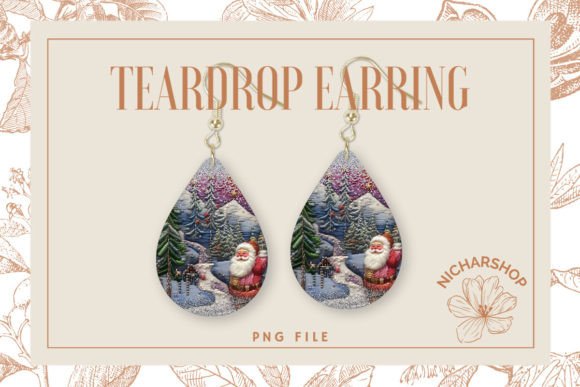
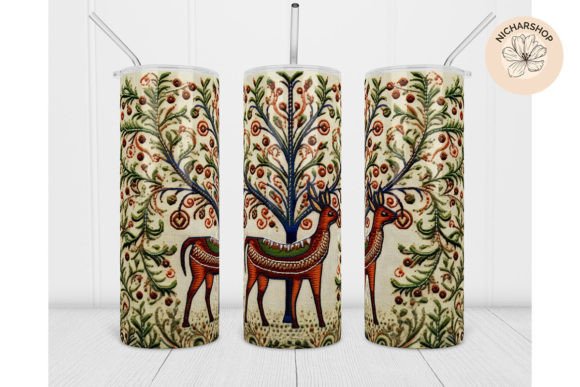
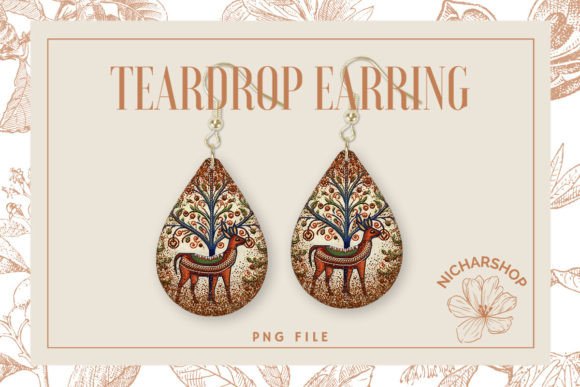
First impression: the Christmas Deer Embroidery Teardrop2 feels warm, rustic, and elegantly festive. The teardrop shape gives it a classic badge-like silhouette that works naturally for embroidered patches, chest logos, and branded merchandise. The deer motif is universally appealing — it suggests a friendly, handmade, boutique feel without being too cutesy. It’s the kind of design that a small café, a florist, a bakery, or a creative studio could adopt for seasonal branding, staff uniforms, or limited-edition customer gifts. The linework and composition appear clean, which is critical when you’re planning to digitize for machine embroidery. A design that looks busy on screen will often turn into a dense, unreadable embroidered patch. This one looks like it would breathe well on fabric.
Business-Ready Design for Branded Merchandise
When I evaluate any design asset for commercial embroidery, I always ask: how will this perform on a cap, a tote bag, an apron, or a work shirt? The Christmas Deer Embroidery Teardrop2 has a vertical teardrop orientation that suits a chest logo accent, a sleeve detail, or a branded patch sewn onto a jacket or bag. For a small business, consistency in brand identity is everything. A well-placed embroidered patch using this design could instantly elevate a handmade product, add perceived value, and reinforce customer recognition. Imagine a local coffee shop putting this on barista aprons — it would feel professional, memorable, and seasonally appropriate.
I often guide my clients toward designs that can be used across multiple product types. This teardrop shape is versatile. It can be digitized as a standalone embroidered patch, applied directly to tote bags, or stitched onto the front of a cap. The transparent background of the PNG file makes it easy to layer onto mockups, so you can show a finished product preview to your customers before investing in digitizing. That alone is a huge advantage for Etsy sellers, merch creators, and product designers who need to test ideas quickly.
Practical Considerations for Embroidery Production
Before you rush to digitize the Christmas Deer Embroidery Teardrop2, there are some real-world embroidery insights I always share. First, check the design in black and white. If the outlines and shapes still read clearly without color, you’ll have a much easier time translating it to thread. This design seems to have strong contrast, but always verify. Second, think about stitch density — the deer’s antlers and any fine inner details might need to be simplified for small patch sizes. A patch under 3 inches will demand careful reduction. I’d recommend testing a sew-out at 2.5 inches and 3.5 inches to see where the sweet spot is.
You also need to consider the fabric you’ll be embroidering on. Textured fabrics like canvas tote bags or denim jackets can swallow fine details, so stabilizer choice is critical. For caps, the curved surface can distort a tall teardrop shape if the design isn’t adjusted during digitizing. I always advise my clients to order a pre-production sample and wash it a few times, especially if the finished product will be used frequently. Thread colors are another variable — the product description mentions that “colors will vary depending on monitor settings,” so you’ll need to match thread shades physically. Don’t trust your screen; create a thread swatch card before committing to a full run.
Where This Design Shines — and Where Caution is Needed
The Christmas Deer Embroidery Teardrop2 is ideal for:
- Embroidered patches for seasonal promotions or customer gifts
- Apron embroidery for bakeries, cafés, and handmade shops
- Cap embroidery as a front-center accent or side logo
- Tote bag design for farmers’ markets, craft fairs, or boutique packaging
- Branded product labels sewn onto handmade items
- Uniform accents for a small team during the holiday season
However, I’d be cautious about using it on very small curved surfaces, like the narrowest part of a cap brim, or on extremely dark fabrics where the deer’s body might lose contrast if not digitized with a solid underlay. Also, if your brand relies on a minimal, modern aesthetic, this design’s decorative, slightly rustic holiday feel might not align perfectly. It’s best suited for brands that embrace warmth, nature, and a handcrafted look.
Brand Identity and Customer Perception
An embroidered design isn’t just decoration — it’s a visual handshake. The Christmas Deer Embroidery Teardrop2 can help a small business build a consistent, recognizable brand identity. When a customer sees that same teardrop deer on a packaged product, a staff member’s apron, and a tote bag, it creates a sense of trust and professionalism. This is especially powerful for online sellers: a cohesive brand identity increases buyer engagement and can justify higher price points for handmade products.
I often remind my clients that the design file you choose sends a message about your business. A clean, well-composed digital embroidery file source — even if it’s a PNG template that needs digitizing — shows that you care about the finished product. The Christmas Deer Embroidery Teardrop2, with its high-resolution 300 DPI and transparent background, sets a strong foundation. It’s not an SVG file, as the description notes, but for embroidery digitizing software, a crisp PNG is often all you need to build a clean stitch file. Just make sure your digitizer knows the intended size and fabric type.
Designer’s Workflow Notes
Here’s how I would approach using this design in a real embroidery project:
- Create a mockup first. Use the PNG to overlay the design on a photo of a blank cap, apron, or tote bag. This helps the client visualize the final product.
- Test in black and white. Import the image into your digitizing software and reduce to a line-art preview. Adjust any areas that become muddy.
- Digitize with appropriate stitch density. For a 3-inch patch, stick to light to medium density. The teardrop outline should be a clean satin stitch, and the deer details can be filled with a tatami stitch that preserves texture.
- Choose thread colors carefully. Bring a printed version of the design to your thread wall and match under natural light, not just your monitor.
- Run a sew-out on the actual fabric. Use the exact stabilizer you’ll use in production — cutaway for knits, tear-away for woven often, and a topper for fleece or textured surfaces.
- Compare with other design assets. If this is part of a larger collection, make sure the style and scale are consistent so your brand stays cohesive.
- Confirm commercial licensing. The product description doesn’t specify license terms, so always check with the seller that you can use the design on items you sell, especially for business merchandise.
What About the Digital Download Details?
You’ll receive two PNG files, both at 300 DPI with a transparent background. That’s a solid starting point for a digital embroidery file workflow. The fact that it’s not an SVG might feel limiting for some, but in embroidery digitizing, high-res raster images are standard input. The description notes that “colors will vary depending on monitor settings,” which is a gentle reminder that the final embroidered product’s hue will depend on your thread choices, not on the screen image. Always proof physically.
The product category is listed as Print Templates and the type as Graphics. This tells me it’s primarily intended as a design asset for mockups, sublimation, or printable projects, but many embroidery professionals use exactly these kinds of files for digitizing. Just be aware that you’ll need to invest in digitizing services or do it yourself if you have the software and skills. The design itself is a strong template, but it’s not a stitch file — it’s the creative blueprint.
Final Thoughts for Small Business Owners
If you’re looking to add a touch of festive charm to your branded merchandise, the Christmas Deer Embroidery Teardrop2 is a smart pick. It’s versatile, professional, and carries that handmade appeal that customers love. Whether you’re a small café, a boutique, or a craft business selling on Etsy, this design can become the face of your seasonal product line. Just remember to digitize thoughtfully, test thoroughly, and never skip the mockup stage. A well-executed embroidered patch based on this design could be the detail that makes your brand unforgettable.
I’ve seen too many great designs fail because of poor production planning. The Christmas Deer Embroidery Teardrop2 has the bones of a beautiful finished product — it’s up to you to bring it to life with the right machine embroidery approach. Treat it as a serious design asset, and your small business merch will look anything but small.