Oliver Embroidery Design: Boutique Halloween Sweatshirt Review
When you’re curating a limited seasonal drop for a small boutique, every stitch says something about your brand. The Oliver Embroidery Design landed on my screen as I was searching for that perfect blend of personalization and Halloween charm—a digital embroidery file that could turn a simple sweatshirt into a conversation piece. Right away, this machine embroidery design felt like it understood the assignment: playful, detailed, and unmistakably autumnal, without tipping into costume territory.
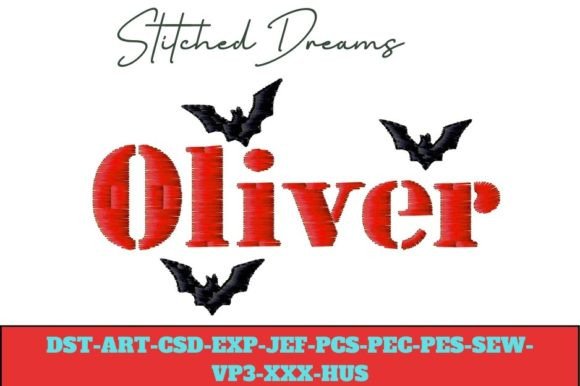
I imagined it on a soft, oversized hoodie in heather charcoal, the name Oliver surrounded by coy little Halloween motifs. The description promises intricate details and a playful essence, and even from the preview, the layout reads as balanced—neither too sparse nor too dense. As a designer who’s stitched hundreds of shop samples, I’m always looking for that instant visual hook, and this embroidery file has it. It’s the kind of design that makes a customer stop scrolling through an Etsy feed and think, “That’s exactly what I want my kid to wear to the pumpkin patch.”
First Impressions and Visual Impact
Opening the concept mockup, the mood hit me immediately: cozy, mischievous, and a little bit magical. The name Oliver sits at the heart of the composition, but it’s the surrounding details that give this digital embroidery file its personality. I can picture tiny cobwebs, whimsical bats, or maybe a crescent moon peeking through the letters—details that suggest Halloween without screaming it. This restraint is golden for a boutique brand; you want a design that works for October festivities but still feels wearable all through fall.
The layout seems designed with apparel in mind. The stitching personality appears smooth, with a mix of satin and fill stitches that will catch the light differently on fleece. For a sweatshirt embroidery project, that textural variety is crucial. It prevents the design from looking flat or plasticky, which is a common pitfall when beginners choose a design that’s too dense. Based on the intricate details mentioned, I’d expect a stitch count that leans medium to high, but still manageable for a single-head machine without excessive trims.
Mood and Seasonal Personality
The beauty of the Oliver Embroidery Design is its seasonal flexibility. It clearly embraces the Halloween spirit, yet the name personalization keeps it grounded. You could stitch this on a dusty pink crewneck for a softer, more feminine take, or on a black oversized hoodie for a bold, edgy look. The design’s mood can shift dramatically depending on thread color choices—more on that later. As a handmade product, this kind of versatility adds real value; you can market the same digital embroidery file to different customer personas without reinventing the wheel.
Placement Potential on Sweatshirts and Hoodies
Where you place a design can make or break a garment’s retail appeal. For this specific embroidery file, I’d strategize placement based on the final silhouette of the sweatshirt. The visual weight of the name Oliver, combined with the decorative Halloween elements, feels like it’s meant to be a focal point, not a subtle accent.
Chest Embroidery
Left chest placement is the classic choice for a boutique brand, and the Oliver Embroidery Design would shine there on a standard crewneck. I’d scale it so the name reads clearly from a few feet away—typically around 3.5 to 4 inches wide. The intricate details need to breathe; too small, and those playful Halloween accents might close up or become illegible. I’d run a test stitch on a similar fabric scrap to confirm small-size readability before committing to production. A heavy stabilizer is non-negotiable here, especially on plush French terry that can sink stitches.
Sleeve and Back Accents
For an oversized hoodie or a statement piece, don’t overlook the sleeve or the upper back. A larger version of this design on the back, with the name Oliver centered between the shoulder blades, turns a basic hoodie into a premium boutique item. I’ve also seen small shops use the design as a sleeve accent on a raglan sweatshirt—the contrast sleeve fabric provides a natural frame. Because the design is a digital embroidery file, you can resize it to fit different hoop dimensions, but always check the original stitch count and intended hoop size to avoid distortion.
Practical Stitching and Production Considerations
Now let’s talk shop. As someone who has ruined a few sweatshirts by ignoring the basics, I approach every new embroidery file with a mental checklist. The Oliver Embroidery Design isn’t just a pretty picture; it needs to translate cleanly onto fabric.
Thread Color Contrast and Fabric Choices
On neutral sweatshirts like oatmeal, sand, or light grey, this design will pop beautifully with a moody palette: deep plum, burnt orange, and a touch of antique gold. On dark fabric—think black, charcoal, or deep navy—I’d lean into brighter Halloween tones, maybe a vibrant lime green or a rich purple, possibly even a glow-in-the-dark thread for the spooky accents. On pastel sweatshirts, the design takes on a completely different vibe: a soft peach base with creamy white and terracotta threads turns it into a whimsical, almost boho Halloween piece. I always recommend playing with thread colors in your digitizing software before hooping; the mood can shift from playful to rustic simply by swapping a color.
Stitch Density and Durability
One of my biggest concerns with any Halloween embroidery is the stitch density of the intricate details. If the design is too dense, it can create a stiff patch that feels uncomfortable on a sweatshirt. If too light, the fabric might show through, ruining the premium look. Based on the “intricate details” described, I suspect this design was digitized with a balanced density suitable for apparel. Before mass production, I’d run a wash test on a finished product. A sweatshirt that goes through the laundry and comes out with puckered edges or broken threads will damage buyer trust instantly. I’d use a tear-away stabilizer with a fusible backing for extra security, especially on thicker fleece. For commercial embroidery, durability is a silent selling point; customers remember the shirt that still looked new after a season.
Hooping and Stabilizer Strategy
The name Oliver plus the surrounding Halloween elements likely fit a standard 4x4 or 5x7 hoop, but I’d verify the exact hoop size required before purchasing the embroidery file. Proper hooping on a sweatshirt can be tricky because of the fabric thickness. I always float the garment with a piece of medium-weight cutaway stabilizer underneath, then add a water-soluble topper to prevent stitches from sinking into the nap. This is especially important for a design with many small details; you want every tiny bat wing or cobweb strand to sit on the surface, not get swallowed by the fabric texture.
Branding and Commercial Value
For an Etsy seller or a small shop owner, the Oliver Embroidery Design isn’t just a stitch-out—it’s a design asset that can define your seasonal collection. The personalized name aspect immediately elevates the product from generic to custom, which is exactly what boutique customers crave. When you list a sweatshirt featuring this design, you’re not just selling a shirt; you’re selling a one-of-a-kind handmade product that feels thoughtfully curated.
Elevating Handmade Product Appeal
In a sea of mass-produced Halloween tees, a garment with a carefully chosen, high-quality embroidery file stands out. The Oliver Embroidery Design helps you tell a story: a cozy evening, a friendly ghost, a name stitched with care. That narrative is what compels a buyer to click “Add to Cart.” I’d use lifestyle product photography that shows the sweatshirt in a relaxed setting, maybe with a book and a cup of cider, to highlight the design’s personality. Mockup previews are essential for listings, but nothing beats a real stitched sample to show thread sheen and texture.
Customer Engagement and Etsy Visibility
Names sell. An Etsy search for “personalized Halloween sweatshirt” is highly competitive, but a listing that features the exact name “Oliver” with a unique Halloween embroidery design can capture a very specific buyer. I’d include the name in the title and tags, of course, but also write a description that paints the picture: “Oliver stitched in a whimsical Halloween scene.” This kind of targeted marketing can improve your conversion rate and build a loyal customer base who come back for sibling names, friend names, and class gifts. The visual recognition of the design becomes a miniature brand identity for your shop.
Final Checklist Before You Stitch
Before loading the Oliver Embroidery Design onto your machine, run through this quick checklist. It’s saved me countless headaches:
- Check the digital embroidery file format—make sure it’s compatible with your machine (PES, DST, etc.).
- Confirm the exact hoop size required and the stitch count if available. If the listing doesn’t provide these, reach out to the designer before purchasing.
- Test the design on a similar fabric swatch with your chosen stabilizer combination. Pay attention to the registration of tiny details.
- Evaluate thread color contrast on your actual sweatshirt blank. Hold threads against the fabric in natural light.
- Wash the test sample to see how the design holds up. A design that looks great fresh but pills after one wash is a return waiting to happen.
- Review the license terms for commercial embroidery. Some digital designs have restrictions on the number of items you can sell.
Is This Design Right for Your Boutique?
If you’re building a small shop product line that balances whimsy with wearability, the Oliver Embroidery Design is a strong candidate. It brings a festive Halloween spirit without being a one-time costume piece, and the personalized name ensures it feels exclusive. I can already see it on a cozy crewneck paired with high-waisted jeans, or on a toddler hoodie that becomes a family favorite. The design’s intricate details and playful mood will resonate with customers who appreciate the artistry of machine embroidery beyond basic text.
As with any embroidery file, your success will depend on thoughtful execution. Invest time in thread selection, stabilizer testing, and placement planning. When you stitch this design onto a quality sweatshirt, you’re not just creating a garment—you’re creating a tiny piece of wearable art that carries your boutique’s signature. And that, in the world of handmade product and custom apparel, is what turns a casual browser into a repeat buyer. For a full technical breakdown, check the design listing for stitch count, format details, and any special instructions. Happy stitching, and may your sweatshirt collection be the talk of the season.