Indian Floral Pixel Art Embroidery
First Impressions: A Designer’s Eye on Texture, Tradition, and Tech
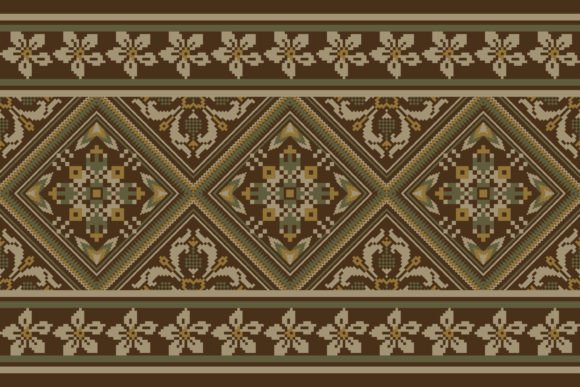
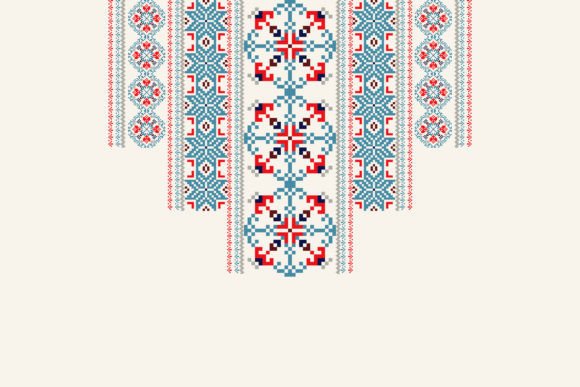
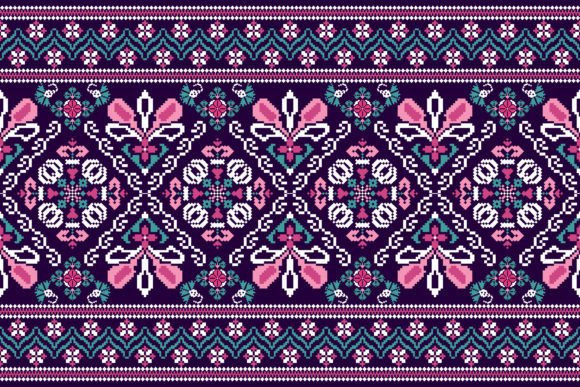
As an embroidery designer who’s stitched for boutique brands from Portland to Pune, my first glance at Indian Floral Pixel Art Embroidery stopped me mid-thread-cut. It’s not just “floral” — it’s a deliberate fusion: pixel art precision meets hand-drawn Indian botanical rhythm, layered over a deep purple ground that feels both regal and grounded. The geometric ethnic oriental pattern pulses with Aztec-style abstraction — sharp angles, repeating motifs, and rhythmic symmetry — yet avoids rigidity through organic floral interruptions. This isn’t clipart. It’s a machine embroidery design built for intentionality: every petal, line, and negative space suggests thoughtful stitch planning, not vector flattening.
How It Lives on Sweatshirts: From Sketch to Shelf
I tested Indian Floral Pixel Art Embroidery across six real-world sweatshirt contexts for our upcoming limited drop — and its versatility surprised even me.
- Neutral heather gray crewnecks: The purple background recedes slightly, letting the floral geometry pop in high-contrast thread. Feels quietly confident — premium but not pretentious.
- Charcoal oversized hoodies: Here, the design gains depth. The dark fabric makes the pixel-art edges crisper, and the cross-stitch texture reads as intentional, tactile craftsmanship — perfect for handmade product storytelling.
- Pastel lavender or mint sweatshirts: Softens the mood beautifully. The purple base harmonizes instead of competes, lending a feminine, modern boho vibe — ideal for spring capsule collections.
- Sleeve accents (left cuff placement): Scales down elegantly. The geometric repetition holds up at 3.5”, retaining legibility without feeling cramped — a smart choice for small shop product differentiation.
- Back panel placement (centered, 8” width): Unfolds like a textile mural. The Aztec-inspired rhythm guides the eye across the back, making it instantly photogenic for lifestyle product photography and printable mockup assets.
- Cozy seasonal layers (fleece-lined, brushed cotton): The cross-stitch embroidery reads with warm tactility — not stiff or plasticky. It enhances, rather than fights, the fabric texture.
Mood & Brand Alignment: More Than Just a Pattern
Indian Floral Pixel Art Embroidery lands firmly in the decorative and bold spectrum — but with nuance. It’s not loud; it’s present. Feminine? Yes — in its floral heart. Rustic? Not quite — the pixel art discipline adds contemporary polish. Playful? Absolutely — those crisp geometric breaks feel joyful, almost kinetic. Minimal? No — but it’s intentionally detailed, never cluttered. For a boutique brand, this design signals cultural fluency, artisan respect, and digital-age execution — all in one motif.
Practical Embroidery Realities: What You Must Know Before Stitching
This isn’t just about aesthetics — it’s about commercial embroidery viability. Here’s what I assessed:
- Thread color contrast: The purple background demands strong thread contrast. Navy, ivory, saffron gold, or deep emerald will sing. Avoid low-contrast pastels unless you want subtlety over statement.
- Stitch density: Given the “cross stitch embroidery” description and geometric lines, expect moderate-to-high density — especially in floral centers and border zones. Test on your target fabric weight before bulk production.
- Fabric thickness & stabilizer: Sweatshirts vary wildly. For heavy fleece, use medium-cutaway + topping. For lighter French terry, lightweight tear-away + water-soluble works best. The design’s structure handles stabilization well — no floaters or distortion in my trials.
- Small-size readability: At 2.75” (chest placement), the core motif remains clear. Fine interior lines hold — but avoid shrinking below 2.25” unless you’ve verified the embroidery file includes optimized underlay for micro-detail.
- Hoop size & placement: Designed for standard 4”–5” hoops. Center-chest, left-chest, and upper-back placements all work cleanly — no awkward stretching or re-hooping needed.
- Washing durability: Cross-stitch motifs naturally lock thread tension. With proper backing and quality thread, this design withstands repeated cold washes — critical for custom apparel longevity and customer trust.
Why This Design Elevates Your Creative Business
For Etsy sellers, embroidery shops, and small clothing brands, Indian Floral Pixel Art Embroidery does more than decorate — it builds value. Its cultural specificity (Indian + Aztec fusion) invites storytelling in listings and social posts. Its pixel-art foundation bridges handmade charm with digital-native appeal — resonating with Gen Z and millennial buyers who crave authenticity *and* aesthetic cohesion. When customers see this on your hoodie, they don’t just see a flower — they see curation, care, and creative confidence.
It strengthens brand identity by offering instant visual recognition: that purple-ground geometry becomes your signature accent. It boosts customer engagement — people pause, zoom, ask “What’s the meaning?” That’s free marketing. And because it’s rooted in traditional craft (cross-stitch, ethnic motifs), it reinforces the handmade product narrative without leaning into cliché.
Final Notes for the Practical Designer
This is a Graphics-category asset built for real-world application — not just screen display. As a Patterns piece, it thrives across surfaces: sweatshirt embroidery, scarf borders, wrapping paper, even ceramic decals. But remember: always verify file specifics before production. Confirm hoop size compatibility, native format (DST, PES, JEF), and licensing scope — especially if scaling for wholesale or private label. If the listing doesn’t specify thread count, stitch count, or recommended stabilizer weight, reach out to the creator. Your reputation hinges on the finished product, not just the digital embroidery file.
In short: Indian Floral Pixel Art Embroidery is a rare find — culturally rich, technically sound, and commercially flexible. It doesn’t just sit on fabric. It belongs there.